
Table of Contents
TogglePARBATI GIRI
This topic is part of Daily Current Affairs – 22 January 2026
India has recently launched the Responsible Nations Index (RNI) at the Dr. Ambedkar International Centre, New Delhi, marking the country’s first globally anchored index to assess nations beyond GDP and military power.
About the Index
- Developed by the World Intellectual Foundation (WIF) in collaboration with JNU, IIM Mumbai, and Dr. Ambedkar International Centre.
- Covers 154 countries using transparent, globally sourced data for credibility.
- Moves away from conventional measures like GDP, focusing instead on responsibility and ethics in governance.
Core Dimensions
- Internal Responsibility – Ensures dignity, justice, and welfare of citizens.
- Environmental Responsibility – Focuses on sustainable use of natural resources and climate action.
- External Responsibility – Evaluates contributions to peace, cooperation, and global stability.
Significance
- Promotes a value-based global dialogue on ethics, responsibility, and sustainable leadership.
- Encourages nations to balance economic growth with social justice and environmental stewardship.
- Highlights issues like global food security, climate resilience, and equitable governance.
- Provides a more holistic measure of national performance compared to traditional indices.
Conclusion
The Responsible Nations Index is a pioneering step by India to reshape global evaluation standards. By focusing on responsibility, sustainability, and ethics, it aims to foster a more balanced understanding of nations’ roles in ensuring peace, justice, and environmental care on the world stage.
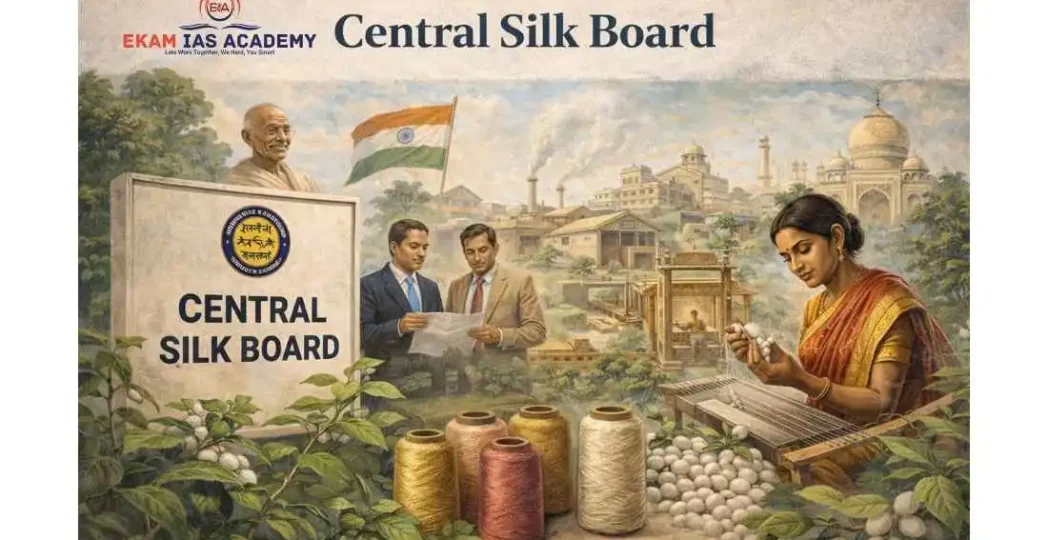
CENTRAL SILK BOARD - FAQs
What is the Central Silk Board?
The Central Silk Board is a statutory body under the Ministry of Textiles responsible for planning and coordinating the development of India’s silk sector.
What are the main functions of the Central Silk Board?
The Board advises the government on silk policy, promotes scientific sericulture, supports farmers and weavers, and encourages employment generation in rural areas.
Why was Rule 22 of the Central Silk Board Rules amended?
The amendment enhances the Board’s financial approval powers, enabling faster project clearances and improved support for sericulture development.
Which states are the largest producers of silk in India?
Karnataka is the largest producer, followed by Andhra Pradesh, West Bengal, Tamil Nadu, and Assam, which are major hubs of silk production.
What types of silk are produced in India?
India produces Mulberry, Eri, Tasar, and Muga silk, with Muga silk being unique to Assam and culturally significant.