

Table of Contents
ToggleA STEP FOR RIGHTS, DIGNITY AND MENTAL HEALTH
TOPIC: (GS1) SOCIAL ISSUES: THE HINDU
The Transgender Persons (Protection of Rights) Amendment Bill, 2026 has sparked concern for its proposed shift from selfidentification to medical and bureaucratic validation.
Transgender Persons Amendment Bill, 2026
- Medical board certification: Legal recognition as transgender requires assessment and a certificate from a medical board.
- Criminal offence for “influence”: Penalises anyone alleged to have persuaded a person to identify as transgender.
- Administrative recognition process: Replaces selfidentification with government approval and revised identity definitions.
Fundamental rights implicated
- Right to dignity (Article 21 principle): Compulsory medical scrutiny and certification can humiliate and degrade persons by treating identity as something to be validated by others.
- Right to personal liberty (Article 21 principle): Forcing procedural hurdles and potential criminal sanctions interferes with an individual’s freedom to live according to their selfidentified gender.
- Right to privacy (Article 21 principle): Mandatory assessments and disclosure to authorities threaten bodily privacy and confidential health information.
- Right to equality and nondiscrimination (Article 14 & 15 principles): Differential treatment and additional burdens on genderdiverse people amount to unequal treatment under law and policy.
- Freedom of expression (Article 19 principle): Selfidentification is an expression of identity; policing that expression curtails an essential form of personal speech.
Legal context
- NALSA precedent: Earlier judicial recognition affirmed that gender identity is selfdeclared and protected under equality and liberty rights.
- 2019 Act: The original law aimed to prevent discrimination and expand welfare while aligning with the selfidentification principle, though it had other shortcomings.
Practical problems with the amendment
- Medical board requirement: Districtlevel boards may not exist or be equipped; assessments risk being arbitrary, invasive or humiliating.
- Administrative delays: Multiple steps (board → district magistrate → certificate) create barriers to timely access to services.
- Criminalisation clause: Penalising “undue influence” with severe jail terms could deter clinicians, counsellors, educators and community groups from offering support.
- Conflation of identities: The amendment blurs distinctions between transgender, intersex and cultural identities, risking erasure of specific needs.
Mentalhealth implications
- Increased distress: Forced scrutiny and gatekeeping can heighten anxiety, depression and suicidal risk among an already vulnerable group.
- Service avoidance: Fear of legal or social consequences may push people away from health care and community support, worsening outcomes.
- Professional chill: Criminal penalties may discourage evidencebased, genderaffirming care and training for practitioners.
Recommended alternatives
- Strengthen administrative safeguards: Use audits and verification to address misuse rather than policing identity.
- Protect selfidentification: Retain the individual’s right to declare gender and remove punitive clauses that criminalise support.
- Build capacity: Invest in sensitisation, training and accessible, nonjudgmental health services.
- Clarify definitions: Distinguish legal, medical and cultural categories to ensure targeted protections.
Conclusion:
The amendment risks reversing legal and social gains by medicalising identity, increasing stigma and creating a publichealth hazard; policy responses should prioritise dignity, access to care and evidencebased safeguards.
CLIMATE CHANGE AS A PUBLIC HEALTH EMERGENCY
TOPIC: (GS3) ENVIRONMENT: THE HINDU
Experts warn that climate change is no longer only an environmental or economic problem but a growing medical crisis that worsens existing illnesses and creates new health threats.
Climate Change and Health
- Core idea: Climate change worsens health by altering weather, water supply, air quality and ecosystems, increasing infectious, noncommunicable and nutritional risks.
- Scope of impacts: Includes waterborne diseases, vectorborne infections, heatrelated illness, airpollution morbidity, maternalchild risks and threats to food security across urban and rural areas.
- Global scale indicator: Annual mean global surface temperature reached about 1.45°C above preindustrial levels (2023), driving record heat exposure.
- Heat burden in India: In 2024, Indians faced ~20 heatwave days on average, with ~6.5 days attributable to climate change, worsening heatrelated illness.
Water and infectious diseases
- Urban flooding: Increased heavy rains and waterlogging overwhelm sanitation systems, contaminating drinking water and raising cases of cholera, typhoid, hepatitis A and leptospirosis.
- Drought impacts: Water scarcity forces reliance on unsafe sources, increasing diarrhoeal illnesses and chronic dehydration.
- Sanitation strain: Repeated flooding damages infrastructure and heightens exposure to waterborne pathogens.
Vector and seasonal disease shifts
- Longer transmission windows: Warmer, wetter conditions extend breeding seasons for mosquitoes and other vectors, expanding disease seasons.
- Geographic spread: Diseases like dengue and malaria are appearing in regions previously too cool for sustained transmission.
- Example pattern change: Peak dengue months are shifting later in the year as favourable conditions persist longer.
Air pollution and noncommunicable diseases
- Heat and energy feedback: Greater use of cooling increases emissions; higher temperatures also worsen air quality.
- Health effects of PM2.5: Fine particles inflame lungs, worsen asthma and COPD, and raise risks of heart attacks, strokes and kidney damage.
- Heat stress: High daytime and nighttime temperatures increase cardiovascular strain, especially for outdoor workers, raising heatstroke deaths.
Maternal, child and nutritional impacts
- Pregnancy risks: Extreme heat and pollution are linked to preterm births and low birth weight.
- Food security: Crop disruptions and lower nutritional quality from extreme weather lead to micronutrient deficiencies and chronic malnutrition.
- Livestock stress: Heat reduces milk yields, affecting child nutrition in vulnerable households.
Challenges
- Unequal burden: Poor, marginalised and outdoor workers face the greatest exposure and least access to care.
- Health system readiness: Many regions lack surveillance, diagnostics and surge capacity to respond to shifting disease patterns.
- New risks: Populations without prior exposure lack immunity, increasing outbreak severity.
Policy and health system responses
- Treat climate as a health emergency: Integrate climate risks into publichealth planning and emergency preparedness.
- Strengthen surveillance: Expand vector and disease monitoring, and use earlywarning systems.
- Protect vulnerable groups: Improve access to clean water, cooling shelters, and occupational safeguards for outdoor workers.
- Reduce emissions and pollution: Promote clean energy and urban planning that lowers heat islands and air pollution.
- Nutrition and resilience: Support climateresilient agriculture and social safety nets to protect food security.
Conclusion:
Climate change is already reshaping disease patterns and worsening health outcomes. Recognising it as a publichealth emergency is essential to mobilise health systems, protect vulnerable populations for better health outcomes.
STRENGTHENING ONE HEALTH THROUGH INTEGRATED ACTION
TOPIC: (GS2) SOCIAL JUSTICE AND HEALTH: THE HINDU
Global and national forums are emphasising a One Health approach to prevent and respond to future pandemics by linking human, animal and environmental health.
What is one health?
- Integrate sectors: Link public health, veterinary services, wildlife management and environmental agencies.
- Prevent spillover: Reduce risky practices (deforestation, unregulated wildlife trade, unsafe farming).
- Detect early: Build joint surveillance for animals, humans and ecosystems.
- Respond fast: Share pathogen data and coordinate interventions across sectors.
Historical evolution and rationale
- Origins: The concept gained traction after outbreaks like SARS and avian influenza showed many new human infections originate in animals.
- Key principles: Preventing spillover requires managing land use, wildlife trade, livestock practices, and environmental change that increase pathogen emergence.
- Evidence base: Coordinated surveillance and rapid data sharing accelerate vaccine and treatment development, as seen during COVID19.
International architecture and commitments
- Global coordination: A Quadripartite of WHO, FAO, UNEP and WOAH leads joint One Health action and has issued a Joint Plan of Action.
- Treaty frameworks: Recent international agreements aim to improve pathogen sharing and equitable access to countermeasures, reinforcing One Health goals.
- Scientific collaboration: Shared genomic data and crossdiscipline research are central to rapid detection and response.
National responses and state examples
- National One Health missions: Countries are creating integrated programmes to link human, veterinary and environmental surveillance and response.
- State innovations: Examples include climate budgeting, community carbon plans, and urban cooling projects that reduce environmental stressors linked to disease risk.
- Capacity gaps: Implementation needs stronger monitoring, trained workforce, and routine interagency coordination at local levels.
Priority actions for effective One Health implementation
- Integrated surveillance: Build joint humananimalenvironment monitoring systems with realtime data sharing.
- Crosssector governance: Establish clear institutional roles, funding lines and legal frameworks for collaboration.
- Research and workforce: Invest in interdisciplinary research and train professionals in veterinary, environmental and publichealth linkages.
- Community engagement: Involve local stakeholders, farmers and indigenous communities in prevention and early warning.
Conclusion
Preventing future pandemics and managing emerging health threats requires sustained, sciencedriven cooperation across sectors. Strengthening institutions, data systems and community partnerships will make health systems more resilient and equitable.
WHAT TB REVEALS ABOUT URBAN HEALTH SYSTEMS IN INDIA
TOPIC: (GS2) SOCIAL JUSTICE AND HEALTH: THE HINDU
Tuberculosis highlights persistent gaps in India’s city health systems, especially for migrants, the poor and informal workers.
TB as a mirror of urban health failures
- Social determinants: TB emerges where poverty, overcrowded housing, poor nutrition and unsafe work converge.
- Systemic signal: Rising TB or drugresistant TB often points to weak surveillance, fragmented care and poor social protection.
- Not just rural: Cities concentrate risks despite better infrastructure on paper; urban living conditions can accelerate transmission.
Key urban risk factors
- Overcrowding and poor ventilation: Slums, shared rooms and congested workplaces increase airborne spread.
- Informal work and long hours: Workers delay care to avoid wage loss, worsening disease and transmission.
- Polluted, stressful environments: Pollution and chronic stress weaken immunity and complicate recovery.
- Migration and mobility: Frequent moves, lack of local ID and transient jobs interrupt diagnosis and treatment continuity.
Healthsystem gaps exposed by TB
- Fragmented primary care: Multiple private providers, variable quality and weak links with public programmes cause diagnostic delays.
- Poor publicprivate integration: Incomplete data sharing between private clinics and national TB programmes breaks treatment tracking.
- Weak outreach in periurban zones: Informal settlements and industrial clusters often lack accessible clinics and transport.
- Inadequate social support: Limited nutrition, housing or cash support leads to treatment interruption and relapse.
Consequences for patients and communities
- Delayed diagnosis: Longer infectious periods and worse clinical outcomes.
- Financial burden: Multiple consultations and lost wages push households deeper into poverty.
- Drug resistance: Interrupted or inappropriate treatment fuels multidrugresistant TB.
- Continued transmission: Household and workplace spread perpetuates urban TB cycles.
Policy priorities
- Portable, transferable care: Ensure treatment records and entitlements travel with patients across cities and states; strengthen Nikshay interoperability and portability.
- Strengthen urban primary care: Expand neighbourhood clinics, mobile diagnostic units and community health workers in informal settlements.
- Mandate privatesector reporting: Enforce notification and integrate private providers into treatment pathways with incentives and accountability.
- Social protection: Provide nutrition, transport and wage support to reduce treatment interruption and catastrophic costs.
WHAT TB IS
- Cause: TB is caused by the bacterium Mycobacterium tuberculosis.
- Main form: Pulmonary TB (lungs) is the most common and the form that spreads between people.
- Global scale: An estimated 10.7 million people fell ill with TB in 2024, and about 1.23 million people died from TB in 2024 (including people with HIV). TB is the leading infectiousdisease killer worldwide.
- India burden: India accounts for roughly onequarter of global TB cases and reports millions of cases annually, making TB a major national publichealth priority.
How TB spreads
- Airborne droplets: When a person with active pulmonary TB coughs, sneezes or speaks, tiny droplets containing bacteria can be inhaled by others.
- Not spread by touch or sharing food: Casual contact like handshakes or sharing utensils is not a usual route of transmission.
Conclusion
Ending TB requires health services that are accessible, continuous and designed for mobile, informal and marginalised populations only then will “Health for All” become real in urban India.
IRAN CONFLICT RAISES REAL RISK OF GLOBAL STAGFLATION
TOPIC: (GS3) ECONOMY: THE HINDU
the Iran crisis raises a real risk of stagflation because it threatens both energy prices and physical supply chains, not just prices.
What is stagflation
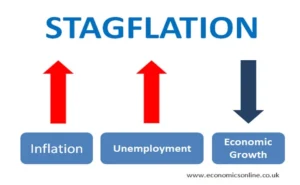
- Definition: Coexistence of high inflation and low or negative economic growth.
- Mechanism: A negative supply shock (leftward shift in aggregate supply) raises prices and reduces output, producing the stagflation outcome.
Historical precedent: 1970s lessons
- Oil shocks triggered stagflation: The 1973 OAPEC embargo and the 1979 Iranian Revolution sharply raised oil costs and contributed to stagnation and high inflation in the US and UK.
- Policy limits: Conventional demand management (monetary tightening or fiscal stimulus) struggled because tools that curb inflation worsened growth and vice versa.
Why the 2026 crisis matters
- Energy chokepoints: The Strait of Hormuz carries a large share of global oil and gas; conflict there can disrupt supplies and spike prices.
- Price + supply shock: Unlike some recent episodes (e.g., 2022 price shock), the current crisis threatens actual shortages in fuel and petrochemical inputs, amplifying production disruptions.
- Complex supplychain effects: Modern economies are more energyintensive and interconnected; shortages ripple across fertilisers, plastics and transport, raising costs and cutting output.
Who is most vulnerable
- Energyimporting economies face larger inflation and growth tradeoffs.
- Manufacturing and agriculture sectors suffer from higher input costs and disrupted logistics.
- Lowincome households bear the brunt through higher food and fuel prices.
Policy choices and tradeoffs
- Short term: Targeted subsidies, strategic reserves release and supplyside diplomacy to restore flows.
- Monetary policy dilemma: Tightening to fight inflation can deepen recession risks; easing to support growth can entrench inflation.
- Medium term: Diversify energy sources, strengthen supplychain resilience and accelerate cleanenergy transition to reduce future vulnerability.
Conclusion:
Stagflation is possible but not inevitable; its likelihood hinges on how long energy and trade disruptions persist and how effectively policymakers restore supply while managing inflation expectations.

NATIONAL MARITIME DAY
TOPIC: (GS3) SEQURITY: THE HINDU
On National Maritime Day the Prime Minister honoured India’s seafaring legacy and thanked workers across the maritime sector.
Empowering progress
- The 2026 theme stresses building a selfreliant, green and techdriven maritime industry by 2047.
- Origin: Observed on 5 April to mark the maiden voyage of S.S. Loyalty from Mumbai to London in 1919, a milestone in India’s maritime independence.
- Theme for 2026: “Maritime India – Empowering Progress” — aims to make ports, shipping and allied industries modern, sustainable and globally competitive.
Key focus areas
- Portled growth: Expand port capacity, improve hinterland links and accelerate the Sagarmala programme to boost trade and logistics.
- Sustainability: Promote cleaner fuels, energy efficiency, and measures to cut shipping’s carbon footprint.
- Seafarer welfare: Strengthen training, safety standards, social security and recognition for maritime workers.
- Technology and efficiency: Digitise port operations, reduce turnaround times and adopt automation and realtime tracking.
- Blue economy: Develop fisheries, coastal tourism, shipbuilding and marine research for jobs and sustainable growth.
- Coastal resilience: Integrate climate adaptation in port planning and protect coastal ecosystems.
Policy priorities
- Invest in port infrastructure and multimodal connectivity.
- Incentivise green shipping fuels and shore power.
- Improve skilling, certification and welfare for seafarers.
- Strengthen maritime research, data systems and privatepublic partnerships.
Conclusion
National Maritime Day 2026 calls for a balanced push: expand capacity and trade while protecting the marine environment and supporting the people who keep India’s seas moving.
BIONEST INCUBATION CENTRE
TOPIC: (GS3) SCIENCE AND TECHNOLOGY: THE HINDU
The Union Minister inaugurated the new BIRACBioNEST incubator at CFTRI Mysuru to boost biotech startups and innovation.
What BioNEST is
- Purpose: A national scheme to nurture biotech entrepreneurship by setting up specialised bioincubators.
- Lead agency: Run by BIRAC to strengthen the country’s biotech innovation ecosystem.
- Target: Earlystage startups, researchers and technology developers in life sciences.
Core services offered
- Highend infrastructure: Access to specialised equipment, wet labs and pilot facilities.
- Business support: Mentoring on business models, market access and investor linkages.
- Regulatory and IP help: Guidance on patents, approvals, certifications and compliance.
- Networking: Connections with industry, academia and service providers for scaleup.
Objectives and benefits
- Promote startups: Encourage translation of lab ideas into commercial products.
- Bridge industry and academia: Facilitate joint projects, technology transfer and internships.
- Enable commercialization: Help with validation, certification and resource mobilisation.
- Job creation: Support new firms that generate skilled employment in biotech.
Funding and governance
- Funding route: Supported by BIRAC under the BioRIDE umbrella scheme with cofunding and performance milestones.
- Sustainability model: Incubators combine grant support with service fees, equity stakes and industry partnerships.
Conclusion:
BioNEST centres like the one at CFTRI aim to turn scientific ideas into viable biotech businesses by providing labs, mentorship, regulatory help and market links — strengthening India’s bioinnovation landscape.
MEASLES
TOPIC: (GS3) SCIENCE AND TECHNOLOGY: THE HINDU
Bangladesh has launched an emergency vaccination drive after a fastspreading measles outbreak among children.
What measles is
- Cause: A highly contagious viral illness caused by a paramyxovirus.
- Seriousness: Can lead to severe complications and death, especially in young children and pregnant people.
How it spreads
- Airborne transmission: Virus spreads when an infected person coughs, sneezes or breathes; virus can remain infectious in the air or on surfaces for up to two hours.
- Close contact risk: Crowded settings and unvaccinated communities accelerate spread.
Key symptoms
- Early signs: High fever for several days, runny nose, cough and red, watery eyes.
- Distinctive sign: Small white spots inside the cheeks (Koplik spots).
- Rash: Red blotchy rash appears after a few days, starting on the face and neck and then spreading.
Who is most at risk
- Unvaccinated children and those who did not develop immunity after vaccination.
- Pregnant people and the malnourished face higher risk of complications.
Treatment and prevention
- No specific antiviral: Care is supportive — fluids, fever control and treating complications.
- Vaccine: Measlesrubella (MR) vaccine prevents disease and gives longterm protection.
- Public health: Rapid vaccination campaigns, contact tracing and strengthening routine immunisation stop outbreaks.
Conclusion:
Measles is preventable by vaccination; quick immunisation drives and strong routine coverage are essential to control outbreaks.