
Table of Contents
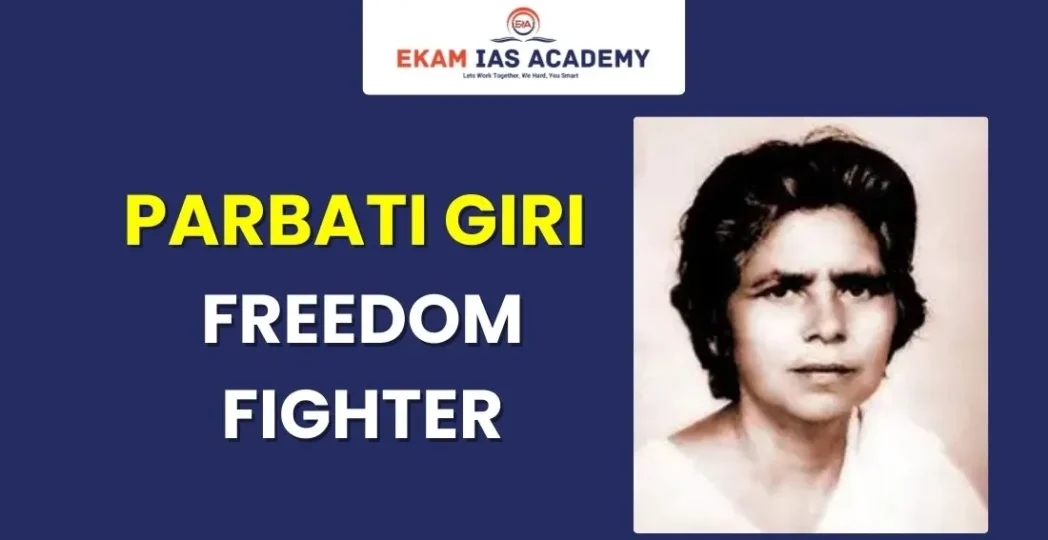
TogglePARBATI GIRI
This topic is part of Daily Current Affairs – 22 January 2026
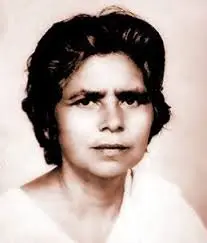
On her birth centenary (19 January 2026), the Prime Minister paid tribute to Parbati Giri, acknowledging her remarkable role in India’s freedom struggle and her lifelong service to society.
Early Life
- Born on 19 January 1926 in Samleipadar village, Bargarh district (then Sambalpur), Odisha.
- Parents: Srimati and Dhananjay Giri.
- Inspired by Gandhian philosophy from childhood; came in contact with Mahatma Gandhi.
- Trained at Gandhian Ashrams in Bari, Wardha, and Delhi Gandhi Sebashram.
Role in Freedom Struggle
- At just 16 years old, she actively participated in the Quit India Movement (1942).
- Led protests in her village and staged an agitation at Bargarh Court, urging lawyers to boycott British institutions.
- Known for her courage and patriotism, she earned the epithet ‘Banhi-kanya’ (daughter of fire).
Social Work After Independence
- Dedicated her life to serving the poor and marginalized.
- Established Ashrams and worked closely with freedom fighter Rama Devi.
- Affectionately called ‘Badamaa’ (Big Mother) by the people she cared for.
- Remembered as the “Mother Teresa of Western Odisha” for her humanitarian work.
Legacy
- Parbati Giri remains a symbol of youthful courage, sacrifice, and social service.
- Her life reflects the continuity of freedom struggle into nation-building, combining patriotism with compassion for the downtrodden.
PARBATI GIRI - FAQs
Who was Parbati Giri?
Parbati Giri was a freedom fighter from Odisha who actively participated in the Quit India Movement (1942) and later devoted her life to social service.
Why is Parbati Giri called ‘Banhi-kanya’?
She earned the title ‘Banhi-kanya’ (daughter of fire) due to her fearless leadership, revolutionary spirit, and bold resistance against British rule at a young age.
What role did Parbati Giri play in the Quit India Movement?
At just 16 years old, Parbati Giri led protests, mobilised villagers, and organised court boycotts during the Quit India Movement in Odisha.
Why is Parbati Giri known as the Mother Teresa of Western Odisha?
She dedicated her post-independence life to serving the poor and marginalised, running ashrams and welfare activities, earning this humanitarian title.
Why is Parbati Giri important in Indian history?
Parbati Giri represents youthful courage, Gandhian ideals, and nation-building, symbolising the continuity between India’s freedom struggle and social reform.