Table of Contents
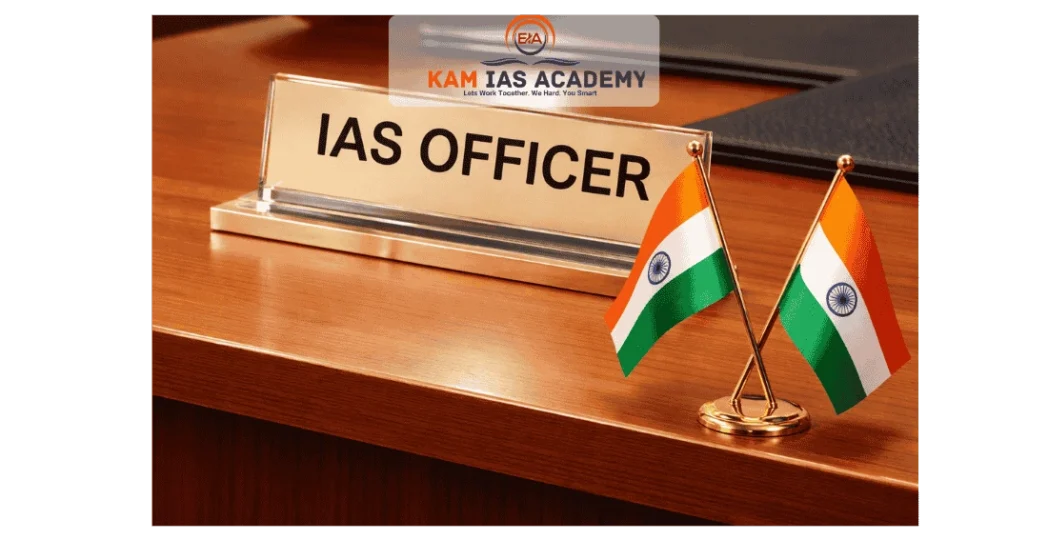
ToggleThe IAS Officer is one of the most respected administrative positions in India. Selected through the UPSC Civil Services Examination, an IAS Officer plays a major role in policy implementation, governance, and public administration. These officers work at the district, state, and central government levels. As a result, their decisions influence the lives of millions of citizens.
For aspirants preparing through UPSC coaching in Hyderabad, understanding the responsibilities of an IAS Officer is important. It helps them develop a clear vision of the role they aspire to achieve.
Administrative Responsibilities of an IAS Officer
The primary responsibility of an IAS Officer is implementing government policies effectively. Once policies are designed by the government, they must be executed at the district and state levels.
An IAS Officer supervises schemes related to healthcare, education, agriculture, and infrastructure. Therefore, efficient monitoring ensures that welfare programs reach the intended beneficiaries.
In many districts, the IAS Officer serves as the District Magistrate or District Collector. In this role, they oversee revenue administration and coordinate different government departments.
Policy Making and Governance
At senior administrative levels, an IAS Officer contributes to national policy formulation. They work in ministries and departments where they analyze reports, evaluate programs, and assist ministers in decision-making.
Moreover, an experienced IAS Officer often advises policymakers on governance reforms and development strategies. These responsibilities require strong analytical skills and leadership abilities.
Aspirants preparing for prelims and mains stages of the examination develop these skills during their preparation.
Role of an IAS Officer in District Administration
District governance forms the foundation of public administration in India. Here, an IAS Officer supervises welfare schemes, infrastructure projects, and rural development programs.
Additionally, during emergencies such as floods or public health crises, the IAS Officer coordinates relief measures. Their leadership ensures quick response from government agencies.
Preparing to Become an IAS Officer
Candidates aspiring to become an IAS Officer must prepare strategically for the Civil Services Examination. Many aspirants join structured courses to gain conceptual clarity and exam guidance.
Some candidates prefer weekend batches, which allow them to balance work or college with preparation.
Institutions like Ekam IAS Academy guide aspirants with structured learning, analytical preparation, and administrative awareness.
Conclusion
The role of an IAS Officer extends far beyond administrative duties. These officers implement policies, manage development programs, and ensure effective governance.
Because of this responsibility, the position of IAS Officer remains one of the most influential careers in India. Understanding the role helps aspirants stay motivated throughout their UPSC preparation journey.



What is the Role of an IAS Officer- FAQs Answered
What does an IAS Officer do in India?
An IAS Officer is responsible for implementing government policies, managing district administration, maintaining law and order, and supervising development programs across different sectors.
What are the main responsibilities of an IAS Officer?
The responsibilities of an IAS Officer include policy implementation, revenue administration, disaster management, supervising government schemes, and advising policymakers.
How can someone become an IAS Officer?
To become an IAS Officer, candidates must clear the UPSC Civil Services Examination, which includes Prelims, Mains, and the Personality Test (Interview).
What is the role of an IAS Officer at the district level?
At the district level, an IAS Officer usually works as a District Collector or District Magistrate and manages governance, development projects, and public welfare schemes.
Is the job of an IAS Officer difficult?
Yes, the role of an IAS Officer is demanding because it involves administrative leadership, crisis management, and decision-making that impacts large populations.