
Table of Contents
ToggleINDIA’S UPDATED CLEANENERGY TARGETS (NDC 2026)
TOPIC: (GS3) ENVIRONMENT: THE HINDU
India has updated its Nationally Determined Contribution (NDC) under the Paris Agreement, pledging 60% nonfossil fuel power capacity by 2035.
India’s Updated Commitments
- Power Sector: 60% of installed electricity capacity from nonfossil sources by 2035 (up from 50% by 2030).
- Emission Intensity: Reduce by 47% compared to 2005 levels.
- Carbon Sink: Increase forest and tree cover to absorb 3.5–4 billion tonnes of CO₂ equivalent.
- Global Context: Communicated to the UNFCCC as part of Paris Agreement obligations.
Current Status
- India is the thirdlargest emitter of CO₂ globally, but per capita emissions remain below world average.
- As of 2025, 43% of installed capacity is already from nonfossil sources (solar, wind, hydro, nuclear).
- India’s existing NDC (2022) targeted 50% nonfossil power by 2030 and 44% emission intensity reduction.
Challenges
- Energy Demand Growth: India’s electricity demand projected to double by 2035.
- Coal Dependence: Coal still contributes ~70% of power generation.
- Finance & Technology: Need for $10 trillion investment by 2070 for netzero pathway (IEA estimate).
- Carbon Sink Expansion: Afforestation faces land availability and biodiversity concerns.
- Supply Chain Risks: Dependence on imports for solar modules, batteries, and rare earths.
- Geopolitical Conflicts: West Asia war threatens oil supply and global energy prices.
Way Forward
- Diversify Renewables: Scale up solar, wind, hydro, and nuclear to meet 60% target.
- Green Hydrogen Mission: Accelerate adoption for industry and transport.
- Carbon Markets: Operationalise India’s carbon trading framework for efficiency.
- Finance Mobilisation: Leverage international climate funds and private investment.
- Afforestation & Agroforestry: Expand carbon sink with community participation.
- Energy Efficiency: Strengthen Perform, Achieve, Trade (PAT) scheme and EV adoption.
- Resilient Supply Chains: Promote domestic manufacturing of solar cells, batteries, and critical minerals.
What are NDCs?
- Definition: Nationally Determined Contributions (NDCs) are voluntary pledges by countries to cut emissions and enhance climate resilience.
- Core Idea: Each country sets its own targets based on capacity, development needs, and responsibility.
- Legal Basis: Article 4 of the Paris Agreement requires parties to prepare, communicate, and maintain successive NDCs.
- Update Cycle: NDCs must be updated every five years with progressively higher ambition.
- Scope: Includes mitigation (emission reduction), adaptation (resilience building), and finance/technology support.
Paris Agreement (2015)
- Adopted: December 12, 2015 at COP21 in Paris, France.
- Entered into Force: November 4, 2016.
- Signatories: 196 Parties (195 countries + EU).
- Global Goal: Limit global warming to well below 2°C, preferably 1.5°C, compared to preindustrial levels.
- Mechanism: Countries submit NDCs, reviewed through a Global Stocktake every five years.
- Equity Principle: Recognises “common but differentiated responsibilities” — developed nations provide finance and technology to developing nations.
Conclusion
Achieving these goals will require massive investment, technology transfer, and strong policy support, balancing energy security with climate responsibility.
VANDE MATARAM ADVISORY
TOPIC: (GS1) INDIAN ART AND CULTURE: THE HINDU
The Supreme Court clarified that the Union Home Ministry’s advisory on playing Vande Mataram is only a protocol guideline and not mandatory, addressing concerns about individual freedom and conscience.
Importance of Vande Mataram in Freedom Struggle
- Origin: Written by Bankim Chandra Chattopadhyay in 1870s, later included in his novel Anandamath (1882).
- Symbol of Resistance: Became a rallying cry against colonial rule, inspiring nationalist movements.
- Adoption by Congress: The Indian National Congress adopted Vande Mataram as its national song in 1896 session.
- Mass Mobilisation: Sung at protests, meetings, and marches, it united people across regions and communities.
- Partition Era: Despite controversies, it remained a symbol of patriotism and sacrifice.
- Constitutional Recognition: In 1950, President Rajendra Prasad declared Jana Gana Mana as the National Anthem and Vande Mataram as the National Song, giving both equal respect.
Advisory and Court’s Stand
- January 28 Circular: Directed playing of Vande Mataram before the National Anthem at public occasions.
- Supreme Court View:
- Advisory is not compulsory; no penalty for noncompliance.
- Respect for national symbols is a fundamental duty under Article 51A.
- Singing remains voluntary, preserving freedom of conscience.
Challenges
- Balancing Freedom & Patriotism: Ensuring respect for national symbols without coercion.
- Religious Sensitivities: Some communities view parts of the song as conflicting with their beliefs.
- Implementation: Avoiding misuse of advisory to stigmatise those who choose not to sing.
Way Forward
- Promote Vande Mataram through education, awareness, and cultural programmes rather than compulsion.
- Encourage inclusive interpretations that highlight unity and patriotism.
- Maintain clear distinction between National Anthem (Jana Gana Mana) and National Song (Vande Mataram).
- Uphold constitutional freedoms while fostering voluntary respect for national identity.
Conclusion
The Supreme Court’s stance ensures that respect for the song is promoted organically, without coercion, balancing patriotism with constitutional liberty.
DEMOCRACY, DISSENT, AND THE NATIONAL IMAGE DEBATE
TOPIC: (GS2) POLITY: THE HINDU
Recent Indian Youth Congress protests at the India AI Impact Summit sparked debate on whether dissent at international forums damages India’s image or reflects democratic strength.
What is Dissent?
- Definition: Dissent is the act of expressing disagreement with government policies or decisions within constitutional limits.
- Role in Democracy: Acts as a safety valve for public opinion. Ensures accountability of the government. Strengthens participatory governance.
- Constitutional Basis:
- Article 19(1)(a): Freedom of speech and expression.
- Article 19(1)(b): Right to assemble peacefully.
Limitations of Dissent
- Reasonable Restrictions under Article 19(2):
- Sovereignty and integrity of India.
- Security of the State.
- Public order, decency, and morality.
- Legal Boundaries: Dissent must not cross into sedition, incitement to violence, or communal disharmony.
- Practical Challenges: Often conflated with “antinational” acts. Media portrayal can stigmatise dissenters.
Democracy and National Image
- Healthy Opposition: Essential for checks and balances in a democracy.
- Global Perception: Protests at international events can be seen as proof of democratic vibrancy.
- Risk of Misinterpretation: Governments may frame dissent as damaging national prestige.
- Historical Context: Emergency (1975–77) showed how suppression of dissent weakens democracy.
Challenges in Indian Context
- Federal Tensions: Central dominance vs. regional assertions.
- Media Narratives: Often equate criticism with disloyalty.
- Security Concerns: Separatist movements and internal threats influence state’s approach to dissent.
Way Forward
- Respect Constitutional Freedoms: Protect dissent as part of democratic rights.
- Promote Dialogue: Engage with protesters rather than criminalising them.
- Balanced Media Role: Encourage responsible reporting that distinguishes dissent from sedition.
- Celebrate Diversity: National unity should be built on pluralism, not uniformity.
Conclusion
The real test of democratic maturity lies in accommodating criticism without equating it with disloyalty to the nation, thereby strengthening both national unity and democratic values.
CHENNAI’S MICROPLASTIC PROBLEM
TOPIC: (GS3) ENVIRONMENT: THE HINDU
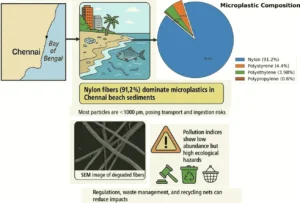
A recent study by V.O. Chidambaram College, Thoothukudi found nylon microfibres in Chennai’s beach sediments, warning that even low abundance poses serious ecological risks.
What are Microplastics?
- Definition: Plastic particles smaller than 5 mm, often invisible to the naked eye.
- Types:
- Primary: Manufactured small (e.g., microbeads in cosmetics).
- Secondary: Result from breakdown of larger plastics (nets, bottles, ropes).
- Sources: Fishing gear, synthetic clothing, sewage, stormwater drains, tourism waste.
Ecological Threats
- Marine Life: Ingested by worms, crabs, shellfish → digestive tract injury. Toxic chemicals leach into organisms.
- Pollutant Adsorption: Nylon fibres absorb heavy metals and toxins, increasing risk.
- Habitat Alteration: Fibreshaped plastics change sediment structure, affecting benthic ecosystems.
- Food Chain Impact: Microplastics enter seafood → reach humans, causing inflammation, hormonal disruption, and immune system effects.
- Persistence: Resistant to degradation, transported long distances, creating transboundary pollution.
Human Health Concerns
- Seafood Contamination: Microplastics + bacteria enter human body.
- Chronic Effects: Tissue inflammation, endocrine disruption, weakened immunity.
Challenges
- Low Visibility: Microplastics are often invisible (<5 mm), making them hard to detect. Despite low abundance compared to global averages, ecological risk remains high.
- Poor Waste Management in Coastal Cities: India generates 3.4 million tonnes of plastic waste annually (CPCB, 2022). Stormwater drains and untreated sewage carry plastics directly into the Bay of Bengal.
- Lack of Industry Accountability for Fishing Gear Disposal: Fishing nets and ropes made of nylon shed fibres when damaged. Globally, 20% of marine plastic pollution comes from abandoned or lost fishing gear (FAO estimate).
- Limited Public Awareness: Example: A single wash of polyester garments can release 700,000 fibres into wastewater (UNEP report).
Way Forward
- Government Measures: Strengthen solid waste management. Recycling and regulation of fishing nets. Promote biodegradable alternatives.
- Public Role: Reduce singleuse plastics. Responsible tourism and beach use. Awareness campaigns on synthetic clothing and waste disposal.
- Research & Policy: Riskbased evaluation (polymer type, shape, toxicity) beyond simple counts. Collaboration with global initiatives against marine plastic pollution.
Accumulation of Pollutants
- Meaning: When pollutants (like pesticides, heavy metals, or microplastics) enter organisms and build up in their tissues over time because they are not easily broken down or excreted.
- Example: Fish in polluted water accumulate mercury in their body tissues.
- This process is also called bioaccumulation — pollutants concentrate inside a single organism across its lifespan.
Magnification of Pollutants
- Meaning: When pollutants increase in concentration as they move up the food chain, from one trophic level to the next.
- Example: Small plankton absorb DDT → small fish eat plankton → larger fish eat small fish → birds or humans eat larger fish. The concentration of DDT becomes much higher at the top level.
- This process is called biomagnification — pollutants multiply in strength as predators consume contaminated prey.
Conclusion
Timely government action, responsible fishing practices, and public awareness can prevent the problem from escalating into a major coastal crisis.
WEST ASIA CONFLICT AND PERSIAN GULF ECOLOGY
TOPIC: (GS3) ENVIRONMENT: THE HINDU
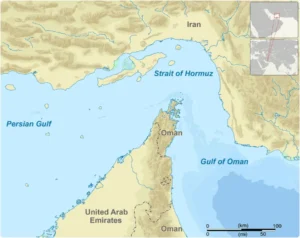
The ongoing West Asia conflict has drawn attention to the Persian Gulf, where decades of oil exploitation, urbanisation, and war have severely altered fragile coastal and marine ecosystems.
Persian Gulf
- Geography: Shallow, semienclosed sea (~226,000 sq. km, avg. depth 30 m).
- Formation: Coastline formed 3,000–6,000 years ago via flooding of Arabian basin.
- Extreme Conditions: Summer temperatures >35°C; salinity 44–70 ppt (almost double open ocean).
Ecological Richness (Before Oil Era)
- Mangroves: Fish nurseries, bird refuges, carbon sinks.
- Mudflats & Seagrass Meadows: Supported shrimp, pearl oysters, fish spawning.
- Sea Turtles: 5 of 7 global species, including critically endangered Hawksbill.
- Dugongs: 5,000–6,000 individuals (second largest population outside Australia).
- Coral Reefs: Area equal to Goa, resilient to extreme conditions, natural lab for climate studies.
- Pearl Economy: Supplied ~80% of world’s Basra pearls until collapse in 1920s.
Transformation After Oil Discovery
- Oil Boom: By 1970s, Gulf produced ~⅓ of world’s oil; ~25,000 tankers annually.
- Urbanisation: Population tripled in 40 years; 85% of people/economy within 100 km of coast.
- Coastal Engineering: Land reclamation (e.g., Palm Jumeirah, Dubai) altered currents, eroded beaches.
- Habitat Loss: ⅔ salt flats gone, mangroves shrunk, nesting grounds destroyed.
- Industrial Pressures:
- 200+ desalination plants → 11 million m³ freshwater/day, discharging hot saline brine.
- Algal blooms (Kuwait 1999, 2011) → mass fish deaths.
- Coral bleaching, seagrass decline.
War and Ecological Damage
- 1991 Gulf War Oil Spill: Devastated mangroves, bird populations, fisheries; Kuwait awarded $52.4 billion for cleanup.
- Repeated Conflicts: Drone/missile attacks on oil infrastructure, disrupting conservation.
- Wildlife Decline: Arabian oryx extinct in wild by 1972 (later reintroduced); Asiatic cheetah critically endangered in Iran.
Current Conservation Efforts
- Regional Initiatives: UAE, Saudi Arabia, Qatar → limits on shrimp trawling, mangrove restoration, marine protected areas.
- Potential Strength: Centralised governance could enable rapid ecological action if prioritised.
Conclusion
The Persian Gulf exemplifies how oil wealth, war, and urbanisation have reshaped fragile ecosystems, pushing coral reefs, mangroves, and turtle nesting sites to the brink.
DISTRICTS AS EXPORT HUBS (DEH) INITIATIVE
TOPIC: (GS3) ECONOMY: THE HINDU
The Minister of State for Commerce & Industry recently informed the Lok Sabha about the progress of the Districts as Export Hubs (DEH) Initiative, launched to boost local products and decentralise export promotion.
About the DEH Initiative
- Launch: August 2019 by the Directorate General of Foreign Trade (DGFT), Department of Commerce.
- Objective:
- Identify, brand, and promote products/services from each district.
- Encourage their sale in domestic and international markets.
- Foster balanced regional development.
- Decentralisation: Makes districts active stakeholders in export growth.
Institutional Mechanism
- State Export Promotion Committee (SEPC) at state level.
- District Export Promotion Committee (DEPC) at district level.
- District Export Action Plans (DEAPs) prepared to identify bottlenecks and suggest interventions.
Coverage and Focus
- Export potential identified in 734 districts.
- Focus sectors: Agriculture, GI products, toy clusters, handicrafts, and services.
- Supports local exporters/manufacturers to scale and connect with global buyers.
Significance & Achievements
- Promotes inclusive growth by tapping rural and semiurban economies.
- Helps GI products and local crafts gain global recognition.
- Strengthens Atmanirbhar Bharat vision by linking local supply chains to global markets.
Way Forward
- Enhance infrastructure and logistics at district level.
- Provide capacity building and training for small exporters.
- Strengthen digital platforms for marketing and ecommerce exports.
- Ensure coordination between Centre, States, and districts for smooth implementation.
Conclusion
By decentralising promotion and empowering local producers, it aims to build a broadbased export ecosystem that supports India’s target of becoming a $2 trillion export economy by 2030.
REVAMPED UDAN SCHEME
TOPIC: (GS3) ECONOMY: THE HINDU
The government has modified the UDAN scheme with a ₹28,840 crore outlay, for airlines on regional routes over the next 10 years.
What is UDAN Scheme?
- Full Form: Ude Desh ka Aam Nagrik.
- Launch: 2017 under the Regional Connectivity Scheme (RCS).
- Objective: Make air travel affordable and enhance connectivity to tier2 and tier3 cities.
- Funding (Earlier): Subsidies funded via RCS levy on nonUDAN routes.
- New Design (2026): Subsidy directly funded by the exchequer for 5 years per route.
Achievements So Far
- Routes Launched: 663 routes since 2017.
- Operational Success: Helped connect remote regions, boosting tourism and trade.
- Airports Revived: 95 airports made operational, including small towns and regional hubs.
- Affordable Travel: Enabled lowcost flights for common citizens.
Challenges
- Route Viability: CAG report showed only 7–10% routes remained viable after subsidy ended.
- Discontinuation: 327 routes discontinued as of Feb 2026.
- Airport Utilisation: 15 revived airports have fallen into disuse.
- Airline Sustainability: High operating costs and low passenger load factors.
- Regional Demand Gap: Limited demand in smaller towns affects profitability.
Way Forward
- Longer Subsidy Support: New design provides 5year subsidy cycles to improve sustainability.
- Infrastructure Strengthening: Ensure revived airports have adequate facilities and connectivity.
- PPP Models: Encourage private participation for better management.
- Demand Creation: Promote tourism, trade, and regional industries to generate passenger traffic.
- Green Aviation Push: Integrate sustainable fuels and ecofriendly practices in regional aviation.
Conclusion
The revamped UDAN scheme though expanded connectivity and revived airports, stronger demand creation, infrastructure support, and sustainability measures are essential to make UDAN a longterm success story.
ASSAM RIFLES
TOPIC: (GS3) SEQURITY: THE HINDU
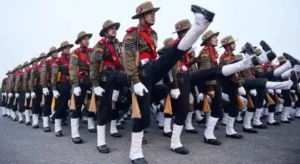
The union Home minister recently extended greetings on the Raising Day of Assam Rifles, acknowledging role in safeguarding India’s frontiers in the Northeast.
Assam Rifles
- Status: One of the six Central Armed Police Forces (CAPFs) under the Ministry of Home Affairs.
- Headquarters: Shillong, Meghalaya.
- Function: Counterinsurgency operations, border security, and peacekeeping in the Northeast and other sensitive areas.
Historical Background
- 1835: Origin as Cachar Levy to protect British tea estates from tribal raids.
- 1870: Became Assam Military Police Battalions; over 3,000 men served in Europe and West Asia during British campaigns.
- 1917: Renamed Assam Rifles.
- PostIndependence Roles:
- SinoIndia War (1962).
- Indian Peace Keeping Force (IPKF) in Sri Lanka (1987).
- Ongoing peacekeeping and counterinsurgency in Northeast India.
Major Roles Today
- Securing IndoMyanmar border.
- Assisting civil administration in maintaining law and order.
- Supporting development and welfare activities in remote areas.
- Acting as a bridge between the Army and CAPFs due to its dual role in military and policing.
Significance
- Known as the “Sentinels of the Northeast”.
- Plays a crucial role in internal security and border management.
- Symbol of India’s long military tradition, evolving from colonial militia to modern paramilitary force.
Conclusion
Assam Rifles remains vital for national security and stability in the Northeast, combining military strength with community engagement. Its legacy from 1835 to present reflects India’s evolving security needs and resilience.