
...

Daily Current Affairs 23-July-2025

Share this Post

CHINA, INDIA AND THE CONFLICT OVER BUDDHISM

TOPIC: (GS2) INTERNATIONAL RELATIONS: THE HINDU

China and India are engaged in a growing rivalry over control and influence in Himalayan Buddhism, especially regarding the future reincarnation of the Dalai Lama. This soft power struggle holds serious strategic and geopolitical implications in the region.

The New Front in Indo-China Rivalry

  • The main conflict between India and China is no longer limited to land borders or the Indo-Pacific, but now includes cultural and spiritual influence in the Himalayas.
  • Buddhism, especially Tibetan Buddhism, has become a tool of geopolitical strategy.

China’s Strategy: Controlling Tibetan Buddhism

  • Since the 1950s, China has tried to dominate Tibetan Buddhism by: Controlling monasteries and lamas. Declaring in 2007 that all Buddhist reincarnations must be approved by the Chinese state.
  • China runs a database of “approved lamas” and monitors religious activities.
  • Sacred sites are being developed using Chinese funds to build loyalty.
  • Promoting Buddhist ties across borders — in Nepal, Bhutan, and even Mongolia.

India’s Approach: Playing Catch-Up

  • India has hosted the Dalai Lama and the Tibetan government-in-exile since 1959.
  • Recently, India started focusing on Buddhist diplomacy: Promoting India as the land of Buddha’s birth. Building Buddhist circuits and pilgrimage routes.
  • However, India’s efforts are still fragmented compared to China’s centralized push.

The Succession Crisis of the Dalai Lama

  • The 14th Dalai Lama has hinted he may reincarnate outside Chinese-controlled territory, likely in India.
  • China is expected to name its own Dalai Lama using the “Golden Urn” method.
  • This may result in two rival Dalai Lamas, splitting global and Himalayan Buddhist communities.

Strategic Implications

  • In places like Ladakh, Arunachal, Bhutan, and Nepal, spiritual influence equals strategic loyalty.
  • Buddhist sect splits (like the Karmapa issue) have become proxy conflicts between India and China.
  • Soft power here becomes hard power — monasteries shifting loyalty can change local geopolitics.

WHAT IS SOFT POWER?

Soft power is a country’s ability to influence others through attraction and persuasion rather than coercion or force (which is called hard power). The term was coined by American political scientist Joseph Nye.

It involves shaping the preferences of others using:

  • Culture
  • Political values
  • Foreign policies

Examples of India’s Soft Power

Culture & Heritage

    • Bollywood films are popular in countries like Russia, Central Asia, Africa.
    • Yoga, Ayurveda, and Indian spirituality attract global interest.

Diaspora Influence

    • Indian diaspora (30 million+) strengthens India’s image abroad.
    • Indian-origin leaders in countries like the U.K., U.S., and Canada reflect India’s global respect.

Democracy & Values

    • India’s democratic values and Constitution are appreciated in the developing world.

Conclusion:
The struggle over Buddhism between India and China is not just religious but a significant strategic front. Controlling faith networks in the Himalayas can reshape border politics and influence future alignments in Asia.

Read Detailed Article ➡️ Click Here

VICE-PRESIDENT’S RESIGNATION AND ELECTION PROCESS

TOPIC: (GS2) INDIAN POLITY: THE HINDU

Vice-President Jagdeep Dhankhar resigned citing health reasons, creating a rare mid-term vacancy. The Election Commission is now constitutionally required to conduct fresh elections immediately to fill the post.

Background on the Vice-President’s Role

  • The Vice-President of India is also the ex-officio Chairman of the Rajya Sabha (Upper House of Parliament).
  • He holds office for five years but continues in position until a successor is elected.
  • The Constitution does not provide any succession method in case of resignation, removal, or death, other than a fresh election.

Constitutional Provisions for Election

  • Article 66(1) of the Constitution governs the election of the Vice-President.
  • The election is conducted through proportional representation by means of a single transferable vote system, using a secret ballot.
  • Unlike the Presidential election, each vote has equal value in this case.

Electoral College Composition

  • Comprises elected and nominated members of both the Lok Sabha and Rajya Sabha.
  • State legislatures are not part of the Vice-Presidential election.
  • Party whips do not apply, allowing members to vote as per their choice.

Election Procedure

  • Nomination must have at least 20 proposers and 20 seconders (all electors).
  • A security deposit of ₹15,000 is required.
  • Returning Officer is typically the Secretary-General of either House (on rotation).
  • Two senior officials serve as Assistant Returning Officers.
  • The Election Commission must initiate the process immediately to avoid a constitutional vacancy.

Temporary Arrangement

  • Until a new Vice-President is elected, the Deputy Chairman of Rajya Sabha presides over House proceedings.

Conclusion

The Constitution mandates the timely election of a new Vice-President to avoid vacancy in this crucial constitutional role, reflecting the importance of continuity in India’s parliamentary system.

Read Detailed Article ➡️ Click Here

EXTREME WEATHER THREATENS INDIAN CITIES’ GROWTH AND LIVELIHOODS

TOPIC: (GS3) DISASTER MANAGEMENT: THE HINDU

A new World Bank report titled Towards Resilient and Prosperous Cities in India’, prepared with the Ministry of Housing and Urban Affairs, warns that Indian cities face serious economic and climate risks from extreme weather.

Urban Growth and Risks

  • Indian cities are expected to become major hubs of economic development, contributing nearly 70% of new jobs by 2030.
  • The country’s urban population is projected to double by 2050, reaching around 951 million, requiring 144 million new homes by 2070.
  • Rapid urbanisation is stressing existing infrastructure, making cities more exposed to climate shocks.

Impact of Extreme Weather

  • Heat Waves: Cities are witnessing rising temperatures due to urban heat island effect. City centers are often 3–4°C hotter than surrounding rural areas.
  • Flood Risks: Fast-paced construction is reducing the natural ability of land to absorb rainwater. This is increasing the likelihood and intensity of urban flooding.

Cities Studied in the Report

  • The World Bank assessed 24 Indian cities, focusing in detail on: Chennai, Delhi, Indore, Surat, Lucknow, and Thiruvananthapuram.

Opportunities for Resilient Development

  • Over 50% of infrastructure needed by 2050 is yet to be built.
  • This presents a crucial opportunity to build climate-resilient housing, transport, and municipal services.
  • Timely investment can reduce climate risks while supporting job creation and inclusive growth.

Key Recommendations

  • Green Infrastructure: Develop more parks, open areas, and trees to reduce heat stress.
  • Storm Water Management: Strengthen systems to avoid flooding and waterlogging.
  • Cool Roofs: Use reflective materials on buildings to lower indoor temperatures.
  • Early Warning Systems: Improve alerts for heat waves and floods to protect lives.
  • Support for Vulnerable Groups: Create safety nets and adaptive housing for low-income populations.

Conclusion

Extreme weather is a growing threat to India’s urban future. However, with smart planning and timely investment, cities can become safer, more resilient, and continue to drive India’s economic progress.

Read Detailed Article ➡️ Click Here

UNSAFE SEWER CLEANING AND SANITATION WORKER DEATHS IN INDIA

TOPIC: (GS2) SOCIAL JUSTICE: THE HINDU

A recent social audit commissioned by the Ministry of Social Justice revealed that over 90% of sanitation workers who died while cleaning sewers in 2022 and 2023 lacked any safety gear. The findings were shared in Parliament, raising serious concerns about worker safety and the failure to enforce protective measures.

Background of the Issue

  • Manual cleaning of sewers and septic tanks remains a hazardous job, despite laws prohibiting unsafe practices.
  • In 2022 and 2023, around 150 sanitation workers reportedly died while cleaning sewers and septic tanks across India.

Findings of the Social Audit

Lack of Safety Equipment

  • Out of 54 deaths studied, 49 workers had no safety gear at all.
  • Only five workers wore gloves; just one had both gloves and gumboots.
  • In 47 cases, no mechanical tools or PPE kits were provided for cleaning operations.

Equipment and Training Deficiency

  • Equipment for safe cleaning was found in only two cases.
  • Proper training on handling hazardous cleaning was provided in just one case.

Absence of Informed Consent

  • In 27 cases, workers were made to clean without giving any consent.
  • In 18 cases where consent was taken, workers were not informed of the risks involved.

Hiring Patterns

  • 38 workers were hired individually or through informal means.
  • Only five were directly employed by government bodies.
  • In three cases, workers were under government contracts but working for private firms.

Awareness and Institutional Readiness

  • Post-death awareness drives were done in only 7 cases.
  • Agencies responsible for cleaning lacked equipment and preparedness in 45 of the 54 cases.

NAMASTE SCHEME

  • Launched in July 2023 to ensure the safety and welfare of sewer and septic tank workers.
  • So far, over 84,000 workers identified under the scheme.
  • About half have been given safety kits and PPE.

Conclusion

The audit exposes severe negligence in ensuring the safety of sanitation workers. Despite legal bans, manual and hazardous cleaning practices continue without protection, highlighting the urgent need for better enforcement and systemic reforms.

Read Detailed Article ➡️ Click Here

HOW DIFFERENT CONSTITUTIONAL DRAFTS IMAGINED INDIA

TOPIC: (GS2) INDIAN POLITY: THE HINDU

A recent academic and public interest has emerged around the lesser-known constitutional drafts proposed before 1950, reflecting diverse ideologies such as liberalism, Gandhian values, and socialism, and how they helped shape India’s final Constitution.

Background

  • Before the Constitution of India came into force in 1950, several thinkers and political groups proposed different constitutional models.
  • Between 1895 and 1948, at least five major drafts presented contrasting views on governance, civil rights, economic policies, and national identity.

Constitution of India Bill, 1895

  • Often attributed to early nationalists like Bal Gangadhar Tilak.
  • Called for self-rule under the British Empire.
  • Proposed a representative government, civil liberties, and separation of powers.
  • Emphasized freedom of speech, property rights, and equality before law.
  • Inspired by British constitutional traditions.

M.N. Roy’s Draft (1944)

  • Created under the Radical Democratic Party.
  • Focused on radical humanism and participatory democracy.
  • Called for linguistic states, right to revolt, enforceable social rights.
  • Introduced Citizens’ Committees to ensure direct public participation.
  • Prioritized decentralization, transparency, and accountability.

Hindusthan Free State Act (1944)

  • Linked to the Hindu Mahasabha and nationalist right-wing ideologies.
  • Suggested a unitary structure with “one nation, one law, one culture.”
  • Despite majoritarian tone, it guaranteed religious freedom and equality.
  • Included the right of provinces to secede under certain conditions.
  • Emphasized national unity while maintaining formal secularism.

Gandhian Constitution for Free India (1946)

  • Drafted by Shriman Narayan with a foreword by Mahatma Gandhi.
  • Promoted village self-governance (Gram Swaraj) and rural economy.
  • Advocated non-violence, self-sufficiency, and khadi.
  • Included a right to bear arms, showing practical considerations.
  • Rejected centralization and industrialization.

Socialist Party Draft (1948)

  • Proposed by Jayaprakash Narayan’s Socialist Party.
  • Called for nationalization of land, industries, and banks.
  • Advocated economic democracy and workers’ control of production.
  • Emphasized social justice, gender equality, and anti-caste discrimination.
  • Focused more on socio-economic rights than procedural democracy.

Conclusion

These pre-1950 drafts reflected India’s rich ideological diversity. While none were adopted fully, elements from each, like Roy’s decentralization, Gandhi’s village model, and socialist economic vision, influenced the final Constitution. They remain a testament to India’s vibrant constitutional thought before independence.

Read Detailed Article ➡️ Click Here

REDEEMING INDIA’S NUCLEAR POWER PROMISE

TOPIC: (GS3) SCIENCE AND TECHNOLOGY: THE HINDU

The government plans to amend key laws like the Atomic Energy Act, 1962 and the Civil Liability for Nuclear Damage Act, 2010 to enable private participation. India aims to reach 100 GW nuclear power capacity by 2047.

India’s Nuclear Energy Journey

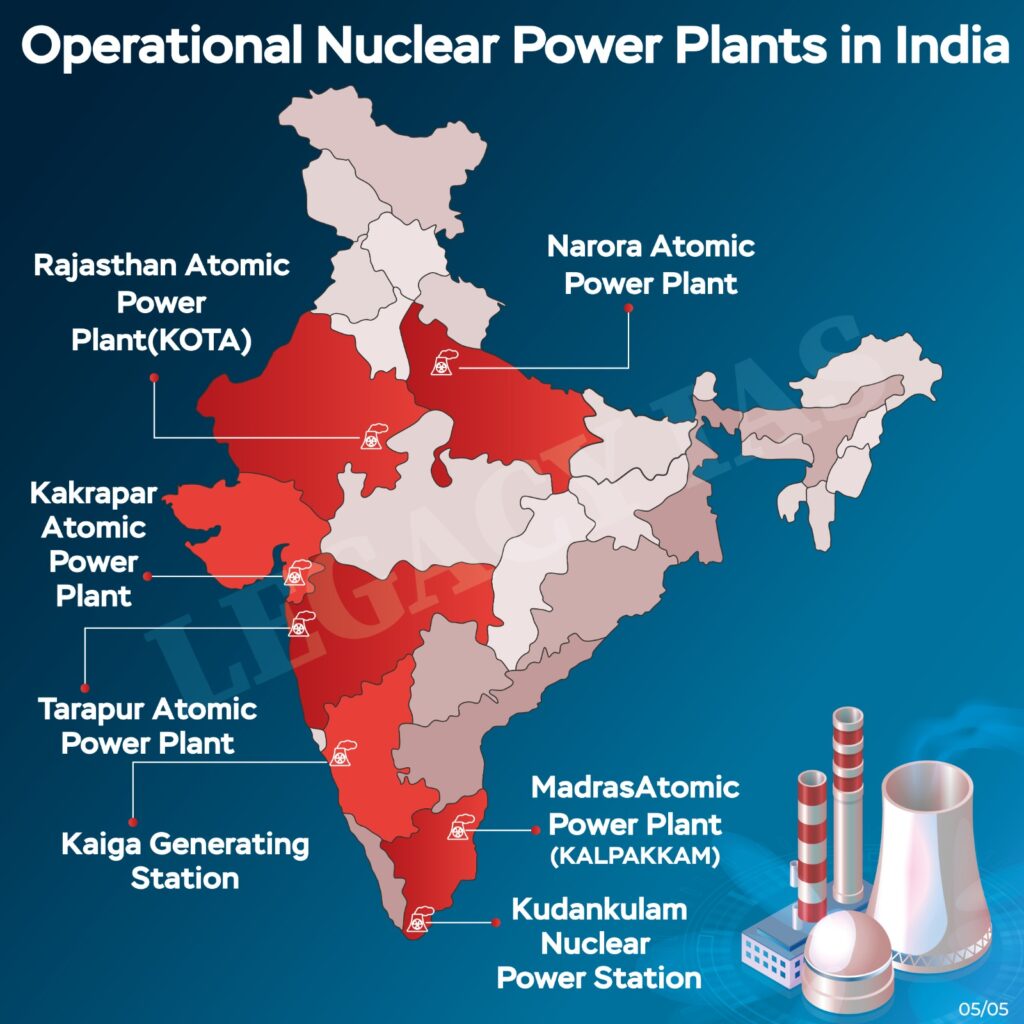
  • India began early with Asia’s first research reactor Apsara in 1956 and nuclear power project at Tarapur in 1963.
  • Dr. Homi Bhabha had envisioned 8 GW capacity by 1980, but geopolitical isolation after 1974 (due to PNE) slowed the programme.
  • Indigenous development led to 220 MW PHWRs across Narora, Kaiga, and Kakrapar, upgraded to 700 MW (operational in 2024).
  • India’s global integration post-1998 nuclear tests allowed collaboration with Russia (Kudankulam), but the CLNDA 2010 discouraged other foreign partners.
REDEEMING INDIA’S NUCLEAR POWER PROMISE

Why Nuclear Power is Crucial

  • To become a developed economy by 2047, India needs ~5x its current energy capacity.
  • Renewables are intermittent; nuclear power is reliable and low-carbon.
  • Nuclear generation is vital for India’s net-zero goals and energy security.
  • Global momentum is shifting back to nuclear (e.g., COP28 Declaration to triple nuclear energy).

Government’s Strategy: Three-Track Plan

  • Standardise Small Modular Reactors (SMRs): Use proven PHWR designs to build smaller reactors quickly and cheaply.
  • Expand 700 MW PHWRs: Speed up land acquisition, licensing, and supply chains for NPCIL’s reactor expansion.
  • Revive Foreign Collaboration: Push stalled negotiations with France and the U.S. to bring advanced technology.

Challenges Needing Reforms

  • Atomic Energy Act, 1962: Needs amendments to allow private firms in nuclear power generation.
  • CLNDA 2010: Current liability clauses deter foreign suppliers; needs reassessment.
  • Tariff Regulation Conflict: Disputes on pricing highlight need for clearer regulatory overlap between Atomic Energy Act and Electricity Act.
  • Safety Oversight: AERB must be made a legally independent regulator.

Way Forward & Incentives Needed

  • Recognise nuclear as “green energy” to qualify for tax and financial benefits.
  • Allow foreign direct investment (FDI) up to 49% while keeping Indian control.
  • Offer viability-gap funding and long-term power purchase agreements.
  • Ensure timely implementation of Joint Ventures (e.g., NPCIL-NTPC at Mahi Banswara).

Conclusion

To meet energy and climate goals, India must open its nuclear sector to private and global partners. Bold legal and financial reforms, along with regulatory independence, are critical to unlocking its full nuclear power potential.

Read Detailed Article ➡️ Click Here

BEETLE-FUNGI IN KERALA'S RUBBER PLANTATIONS

TOPIC: (GS3) ENVIRONMENT: THE HINDU

Rubber plantations in Kerala, which account for 90% of India’s rubber production, are under serious threat due to an invasive beetle-fungus complex that weakens trees, reduces latex yield, and risks broader ecological and economic damage.

The Invasive Species

  • Identified species: Ambrosia beetle (Euplatypus parallelus).
  • Native to Central and South America; first seen in India (Goa, 2012).
  • Carries fungi: Fusarium ambrosia and Fusarium solani (first time reported together in India).

BEETLE-FUNGI IN KERALA'S RUBBER PLANTATIONS

Mechanism of Attack

  • Beetles bore into stressed or dying trees and create tunnels (“galleries”).
  • Fungi are deposited inside; they grow and digest the wood.
  • Beetles feed on the fungi (not the wood), forming a mutualistic relationship.
  • The fungi block the tree’s xylem vessels, causing leaf fall, drying, and sometimes tree death.

Wider Impacts

  • Can affect over 80 types of broadleaf trees: cashew, teak, coconut, mango, and coffee.
  • Fusarium fungi are opportunistic pathogens, harmful to humans, animals, and ecosystems.
  • Spread is hard to contain once fungi infect the tree’s vascular system.

Current Challenges

  • Lack of effective treatment; fungicides often don’t reach deep enough.
  • Healing is slow once infection sets in.
  • Few management strategies exist for broadleaf trees like rubber.

Expert Recommendations

  • Immediate Action Plan – for monitoring and rapid containment.
  • Region-Specific Strategies – tailored to Kerala’s ecosystem.
  • Biological Control – such as beneficial fungi and microbial consortia.
  • Genetically Modified Rubber Plants – to resist infections.
  • Policy Support – for research, awareness, and farmer assistance.

INVASIVE SPECIES

Invasive species are plants, animals, or microbes that are not native to an area and cause harm to the local environment, economy, or health.

Spread

    • They usually spread through human activities like trade, travel, or accidental introduction (e.g., via ships, cargo, or ornamental plants).

Harm to Biodiversity

    • They outcompete native species for food and space, leading to extinction or decline of local plants and animals.

Examples in India

    • Lantana camara (plant) – harms forest ecosystems.
    • Water Hyacinth – clogs water bodies and reduces oxygen for fish.
    • African Apple Snail – damages paddy crops.

Conclusion

This beetle-fungus threat could severely harm India’s rubber economy and other vital crops if not controlled. Urgent scientific and policy intervention is essential.

Read Detailed Article ➡️ Click Here

INDUCTION OF APACHE AH-64E HELICOPTERS BY INDIAN ARMY

TOPIC: (GS3) SECURITY: THE HINDU

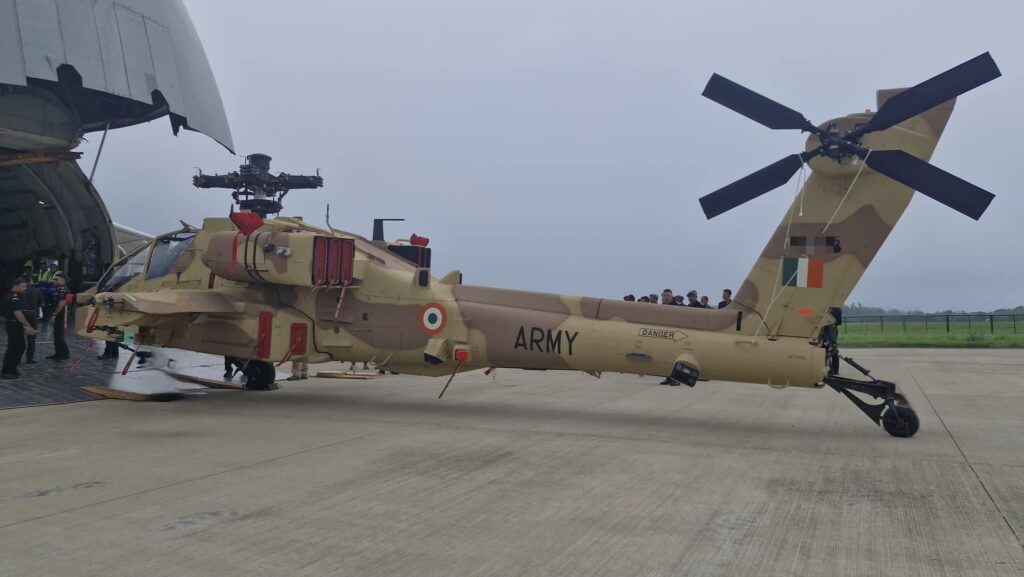
The Indian Army has received the first batch of three Apache AH-64E combat helicopters from the U.S. on July 16, 2025. This marks a major milestone in enhancing the Army’s aviation strength and modernization efforts.
INDUCTION OF APACHE AH-64E HELICOPTERS BY INDIAN ARMY

Key Features of Apache AH-64E

  • The Apache AH-64E is one of the most advanced multi-role combat helicopters in the world.
  • It is already in service with the Indian Air Force, and this is the first time the Army is inducting them into its fleet.
  • Twin-engine attack helicopter with advanced sensors and weapons systems.
  • Equipped with Hellfire missiles, rockets, and a 30 mm chain gun.
  • Provides excellent performance in high-altitude and all-weather conditions.
  • Can track up to 128 targets simultaneously using Longbow radar.

Deployment and Use

  • The helicopters will be stationed in Jodhpur under the Army Aviation Corps.
  • Initially, a Joint Receipt Inspection will be carried out as per protocol.
  • Primarily intended for use along the western borders and high-altitude regions like Ladakh.

Significance for Indian Defence

  • Enhances close air support and reconnaissance capabilities of the Army.
  • Increases operational readiness and rapid-response capability.
  • Strengthens India’s deterrence posture in sensitive regions.
  • Complements the ongoing modernization of armed forces.

Conclusion

The induction of Apache helicopters into the Indian Army marks a strategic step in building a robust, modern, and technologically advanced defence force.


Read Detailed Article ➡️ Click Here

Write a Review

Your email address will not be published. Required fields are marked *

Seraphinite AcceleratorOptimized by Seraphinite Accelerator
Turns on site high speed to be attractive for people and search engines.