

Table of Contents
ToggleTURNING ECONOMIC COOPERATION INTO SHARED PROSPERITY
TOPIC: (GS2) INTERNATIONAL RELATIONS: THE HINDU
During India’s 2026 BRICS Chairship, the UAE highlighted the need for resilient trade, investment, and connectivity.
Background
- BRICS Diversity: Members represent varied economic structures — energy exporters, manufacturing hubs, capital sources, and large consumer markets.
- UAE’s Approach: Guided by multilateralism, dialogue, and connectivity, focusing on tangible outcomes like trade facilitation and resilient supply chains.
- India’s Chairship 2026: Centred on resilience, innovation, cooperation, and sustainability, providing a timely framework amid global trade disruptions.
- The United Arab Emirates (UAE), a full member of BRICS since January 2024, has emphasised that economic cooperation must translate into shared prosperity.
Key Areas of Cooperation
- Trade & Investment: UAE advocates easier trade flows, stronger investments, and better connectivity.
- Development Finance: The New Development Bank (NDB) has approved $40 billion for infrastructure and sustainable projects; UAE actively engages in mobilising capital.
- Supply Chain Resilience: Cooperation to counter disruptions and reduce costs for businesses and consumers.
- Beyond Chinacentric Lens: Focus on sustainable development, logistics, and thirdcountry partnerships.
UAE–India Economic Partnership
- Comprehensive Economic Partnership Agreement (CEPA): Signed in 2022, enabling smoother trade and investment.
- Trade Growth: Nonoil bilateral trade grew 17% in 2025, crossing $76 billion; target set at $200 billion by 2032.
- Broader Ties: Cooperation extends to investment, innovation, education, tourism, and peopletopeople links.
Significance of UAE in BRICS
- Connectivity Hub: Ports, airports, logistics, and financial centres link Asia, Africa, and Europe.
- Diversified Economy: Nonoil sectors contribute ~79% of GDP, supported by infrastructure and open investment policies.
- Capital Strength: Sovereign wealth assets exceed $2.9 trillion; 38 CEPA agreements expand global reach.
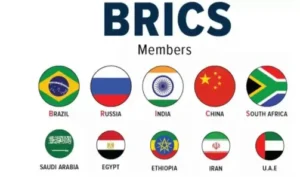
- Origin: Established in 2009 as a grouping of Brazil, Russia, India, China, South Africa.
- Expansion: In 2024–25, expanded to include Egypt, Ethiopia, Iran, Saudi Arabia, UAE, Indonesia.
- Objective: Promote economic cooperation, multipolarity, SouthSouth collaboration, and reform of global governance institutions.
- Economic Strength: Accounts for ~40% of global GDP, ~50% of world population, and ~25% of global trade.
- Key Institutions: Includes the New Development Bank (NDB) and Contingent Reserve Arrangement (CRA) for financial stability.
Conclusion
The UAE’s participation in BRICS reflects its connectivitydriven economic model, complementing India’s leadership in 2026. By focusing on resilient trade, investment, and peopletopeople ties, BRICS can move beyond declarations to deliver shared prosperity for the Global South.
JUDICIAL PUSHBACK AGAINST REFLEXIVE ARRESTS
TOPIC: (GS2) POLITY: THE HINDU
The Allahabad High Court recently quashed the NSA detention of activist Akriti Chaudhary, terming it an “abuse of preventive detention law.”
Preventive Detention in India
- Detention of a person to prevent them from committing a possible future offence, not for punishing past acts.
- Constitutional Basis: Provided under Article 22 of the Constitution. India is among the few democracies that constitutionally permit preventive detention.
- Duration: Up to 3 months without approval. Beyond 3 months requires clearance from an Advisory Board of judges.
- Parliament can prescribe longer detention under specific laws (e.g., National Security Act, COFEPOSA).
- Safeguards:
- Detainee must be informed of grounds (except in sensitive cases).
- Advisory Board review mandatory for extended detention.
- Subject to judicial scrutiny to prevent misuse.
Constitutional Provisions
- Article 19(1)(a): Guarantees freedom of speech and expression, forming the basis of democratic dissent.
- Article 19(1)(b): Protects the right to peaceful assembly without arms.
- Article 21: Safeguards personal liberty; arbitrary detention violates due process.
- Article 22: Permits preventive detention but imposes safeguards — maximum detention without advisory board review is 3 months.
- Judicial Role: Courts have repeatedly held that preventive detention must be exercised with caution (Ramlila Maidan Case, 2012).
BNSS Framework
- Section 163 BNSS: Empowers police to regulate assemblies and processions, but subject to constitutional safeguards.
- Preventive Powers: BNSS provisions, like CrPC’s Section 144, allow restrictions in urgent cases of public safety.
- Judicial Oversight: Courts emphasise that such powers cannot be misused to suppress legitimate dissent or target activists.
Issues Highlighted
- Executive Arbitrariness: Detention orders passed “without application of mind” undermine rule of law.
- Suppression of Dissent: Reflexive arrests of activists chill democratic participation.
- Disproportionate Use of NSA: Designed for grave threats to national security, but often invoked against peaceful protestors.
- Impact on Workers: While activists may secure relief, workers remain vulnerable to oppressive models and unfulfilled promises.
Significance of Judicial Intervention
- Reinforces constitutional morality by protecting dissent.
- Acts as a check on executive excesses, ensuring accountability.
- Strengthens democratic resilience, affirming that protests are integral to governance.
- Compensation ordered against erring officials sets a precedent for personal liability in misuse of preventive detention.
JUDICIAL INTERPRETATION:
- Courts emphasise that preventive detention must be an exception, not routine.
- Maneka Gandhi v. Union of India (1978) expanded Article 21 to include fairness and natural justice.
- ADM Jabalpur Case (1976) upheld suspension of liberty during Emergency, later overruled.
Conclusion
By invoking constitutional safeguards and scrutinising BNSS powers, the judiciary reaffirms that democracy thrives on dissent, not suppression. The challenge ahead lies in ensuring that preventive detention laws are not weaponised against citizens exercising their fundamental rights.
INDIA’S SUGAR PROBLEM AND POLICY
TOPIC: (GS3) ECONOMY: THE HINDU
The Food Safety and Standards Authority of India (FSSAI), following Supreme Court directions, has proposed red warning labels on packaged foods high in fat, salt, and sugar.
Rising Health Concerns from Sugar Consumption
- The World Obesity Atlas 2026 reports that 41 million Indian children and adolescents (5–19 years) are overweight or obese, highlighting a growing public health crisis.
- Products like breakfast cereals, infant foods, and “health drinks” often conceal high sugar content while advertising energy, vitamins, or immunity benefits, misleading parents and consumers.
- Despite CBSE and FSSAI guidelines discouraging HFSS (High Fat, Salt, Sugar) foods, cheap sugary snacks and drinks dominate school canteens, making unhealthy options more accessible to children.
Issues
- Weak Enforcement: Optional guidelines for schools and canteens are rarely implemented.
- Unorganised Sector: Street food, dhabas, and sweet shops — major sources of sugar intake remain outside regulatory purview.
- GST Structure: Since 2025, sugary and sugarfree beverages fall under the same 40% GST slab, offering no incentive for reformulation.
Global Lessons
- UK Sugar Tax: Introduced a tiered levy based on sugar content. Manufacturers reformulated products to reduce sugar and avoid higher taxes.
- India’s Missed Opportunity: Current taxation does not differentiate between highsugar and zerosugar drinks, failing to nudge healthier production.
Way Forward
- Mandatory Standards: Enforce frontofpack red labels across all packaged foods.
- Extend Regulation: Cover the unorganised sector through hygiene and nutrition rules.
- Sugar Tax Reform: Introduce tiered taxation based on sugar content, incentivising reformulation.
- Protect Children: Ban marketing of HFSS foods to minors; regulate school canteens strictly.
- Subsidise Healthy Food: Use part of sugar tax revenue to make nutritious alternatives affordable for lowincome families.
Conclusion
The FSSAI’s red label proposal is a welcome first step, but meaningful progress requires mandatory enforcement, tiered sugar taxes, and protection of vulnerable communities. Without decisive action, the epidemic of obesity and diabetes will continue to burden India’s health system and economy.
INTRABRICS TRADE AND THE CASE FOR CROSSBORDER PAYMENTS
TOPIC: (GS3) ECONOMY: THE HINDU
At the 18th BRICS Summit (New Delhi, September 12–13, 2026) chaired by India, finance ministries and central bank governors discussed reducing dependence on the U.S. dollar and strengthening crossborder payment systems.
What are CrossBorder Payments?
- Definition: Financial transactions where the payer and payee are in different countries.
- Examples: Export invoices, remittances, international freelancing payments, overseas investments.
- Complexity: Involves foreign exchange conversion, multiple intermediaries, and compliance with different jurisdictions.
Why is the Dollar Accepted Universally?
- Liquidity & Stability: The U.S. dollar is the most liquid currency, backed by the world’s largest economy.
- Network Externalities: Global banks, businesses, and governments habitually use the dollar, reinforcing its dominance.
- SWIFT Dependence: Most international transactions are routed through the SWIFT network, which is dollarcentric.
Expanding Trade Dynamics within BRICS
- BRICS Expansion: The bloc now has 10 members — Brazil, Russia, India, China, South Africa, Egypt, Ethiopia, Indonesia, Iran, and UAE — strengthening its role in the Global South.
- Trade Growth: By 2024, BRICS merchandise exports accounted for onefourth of global exports, reflecting its rising share in world trade.
- Import Dependency:
- Iran: Sources nearly 65% of imports from BRICS members.
- Ethiopia: Depends on BRICS for 45% of imports.
- Most members (except China) rely on intrabloc imports for over 30%, showing growing interdependence.
- Strategic Significance:
- Enhances SouthSouth cooperation.
- Reduces reliance on Western economies.
- Creates scope for crossborder payment systems and reduced dollar dominance.
Issues with Current Payment System
- Dollar Dominance: Payments routed via correspondent banks often require conversion into dollars, adding costs and delays.
- Sanctions Risk: Russia’s exclusion from SWIFT in 2022 highlighted vulnerabilities of dollarcentric systems.
- Developing Economy Burden: Forex margins and intermediary fees reduce competitiveness of BRICS trade.
Significance of IntraBRICS Trade
- Export Dependency: Russia, Brazil, Indonesia, and UAE have doubled or quadrupled intraBRICS exports in the last decade.
- China’s Position: Lowest dependency due to diversified global markets, but remains the largest exporter ($500 billion in 2024).
- Strategic Complementarity: Diversity of resources — energy, manufacturing, agriculture, and capital — strengthens intrabloc trade.
Way Forward
- CrossBorder Payment System: Develop a BRICSwide settlement mechanism using national currencies to reduce dollar reliance.
- Digital Currency Integration: Explore central bank digital currencies (CBDCs) for faster, cheaper transactions.
- Strengthen NDB Role: Expand New Development Bank financing to support trade infrastructure and payment systems.
- Policy Coordination: Harmonise customs, tariffs, and banking regulations to ease intrabloc trade.
- Resilience & Inclusivity: Ensure systems protect against sanctions while promoting equitable access for smaller economies.
Conclusion
The rise in intraBRICS trade underscores the need for a crossborder payments system that reduces dollar dependence, lowers transaction costs, and enhances resilience. Under India’s 2026 Chairship, BRICS has the opportunity to translate its collective economic strength into practical mechanisms for shared prosperity.
POLLUTION FROM OPEN WASTE BURNING IN INDIAN CITIES
TOPIC: (GS3) ENVIRONMENT: THE HINDU
A World Resources Institute (WRI) India study (2019–2026) found that open waste burning triples in winter, with Tier3 cities recording the highest incidence. Though contributing less than 1% of overall PM2.5 and PM10 emissions, its proximity to homes and streets makes exposure highly toxic.
Main Pollutants from Waste Burning
- Particulate Matter (PM2.5 & PM10): Fine particles penetrate deep into lungs, causing respiratory and cardiovascular diseases.
- Carbon Monoxide (CO): Reduces oxygen delivery in the body, dangerous for children and elderly.
- Volatile Organic Compounds (VOCs): Contribute to smog formation and longterm health risks.
- Dioxins and Furans: Highly toxic, linked to cancer and immune system damage.
- Heavy Metals: Released from burning plastics and ewaste, contaminating soil and air.
SocioEconomic Dimensions
- Poorer areas recorded up to 84 incidents per sq. km/day in Tier2 cities during winter, reflecting disparities in waste collection and municipal services.
- Informal settlements and lowincome zones face higher exposure due to lack of organised waste management.
Way Forward
- Strengthen doortodoor collection and segregation to reduce uncollected waste.
- Promote community composting and recycling hubs in Tier2 and Tier3 cities.
- Enforce penalties for open burning with strict monitoring.
- Integrate informal waste pickers into municipal systems for inclusive management.
- Expand public awareness campaigns highlighting health impacts of waste burning.
Government Measures
- Solid Waste Management Rules, 2016: Ban on open burning of waste; mandates segregation at source.
- Swachh Bharat Mission: Focus on waste segregation, composting, and scientific disposal.
- National Clean Air Programme (NCAP): Targets 40% reduction in PM2.5 and PM10 levels by 2026, includes waste management interventions.
- Municipal Initiatives: Deployment of wastetoenergy plants, mechanised collection, and awareness campaigns.
- Extended Producer Responsibility (EPR): Mandates producers to manage plastic and packaging waste.
Conclusion
Open waste burning, though a small contributor to overall emissions, poses serious local health risks due to toxic pollutants and socioeconomic disparities. Strong enforcement of waste management rules, coupled with inclusive municipal services and awareness, is essential to curb this practice and achieve India’s clean air and climate goals.
MARITAL RAPE AND THE ONUS ON LEGISLATURE
TOPIC: (GS2) POLITY: THE HINDU
The Supreme Court of India, while hearing an appeal against the Karnataka High Court’s 2022 ruling, observed that though it recognises the individual autonomy of married women, both the Indian Penal Code (IPC) and the Bharatiya Nyaya Sanhita (BNS) exempt marital rape from criminal liability.
Marital Rape
- Marital rape refers to nonconsensual sexual intercourse by a husband with his wife. It is recognised as rape in many countries, but in India, it is exempted under law.
- IPC Section 375 Exception States that sexual intercourse by a man with his own wife, if she is not under 15 years of age, is not considered rape.
- Bharatiya Nyaya Sanhita (BNS) Section 63 retains the exemption but raises the age threshold to 18 years.
- Constitutional Concerns:
- Violates Article 14 (Equality before law) by treating married and unmarried women differently.
- Violates Article 21 (Right to life and personal liberty) by denying bodily autonomy and dignity.
Current Legal Position
- IPC Section 375 Exception: Sexual intercourse by a man with his wife, not under 15 years of age, is not considered rape.
- BNS Section 63: Retains the exemption but raises the threshold age to 18 years.
- Judicial Concern: Courts questioned whether prosecution is possible when the law explicitly exempts marital rape.
Constitutional Provisions
- Article 14: Equality before law; exemption creates inequality between married and unmarried women.
- Article 21: Protects dignity and personal liberty; forced sexual intercourse violates bodily autonomy.
- Article 19(1)(a): Freedom of expression includes autonomy over one’s body.
JUDICIAL VIEWS
- Justice J.S. Verma Committee (2013): Recommended removal of the marital rape exception, calling it regressive.
- Karnataka High Court (2022): Held that “rape is rape, whether by husband or stranger.”
- Supreme Court (2026): Stated that defining marital rape as a crime lies within the domain of the legislature, not the judiciary.
- Global Perspective: Over 100 countries criminalise marital rape, recognising it as a violation of human rights.
Conclusion
While courts recognise the violation of dignity in forced marital intercourse, the onus lies on Parliament to amend the law. A progressive reform aligning IPC/BNS with constitutional morality is essential to protect women’s rights and uphold gender justice.
INDIA’S FIRST LITHIUM ORE SHIPMENT FROM ZIMBABWE
TOPIC: (GS3) ECONOMY: THE HINDU
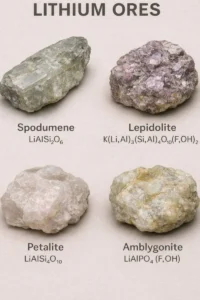
India’s Lohum dispatched its first shipment of lithium ore from Zimbabwe, marking the start of overseas mining operations.
What is Lithium?
- Definition: A soft, silverywhite alkali metal, highly reactive and flammable.
- Properties: Lightest metal, excellent conductor, used in rechargeable batteries.
Uses of Lithium
- Energy Storage: Core component of lithiumion batteries powering EVs, laptops, and smartphones.
- Renewable Integration: Enables gridscale storage for solar and wind energy.
- Medical Applications: Used in psychiatric treatment for bipolar disorder.
- Industrial Uses: Glass, ceramics, lubricants, and aerospace alloys.
Why India Imports Lithium
- Limited Domestic Reserves: India has small deposits (e.g., J&K, Karnataka), insufficient for demand.
- EV Push: National Electric Mobility Mission and battery manufacturing targets require large imports.
- Energy Security: Dependence on imports exposes India to supply chain risks.
Alternatives to Lithium
- Sodiumion Batteries: Emerging technology, cheaper and abundant raw material.
- Solidstate Batteries: Safer, higher energy density.
- Hydrogen Fuel Cells: Alternative for heavy transport and longrange energy storage.
Largest Producer of Lithium
- Australia: World’s top producer, followed by Chile and China.
- Zimbabwe Assets: Lohum’s 10 mining blocks (1,100 hectares) hold 30–40 million tonnes of ore, valued at ~$7 billion.
Conclusion
Lithium is central to India’s clean energy transition. Lohum’s overseas mining venture in Zimbabwe marks a strategic step toward securing supply chains. While alternatives are being explored, lithium remains indispensable for India’s EV revolution and renewable energy storage goals.