Table of Contents
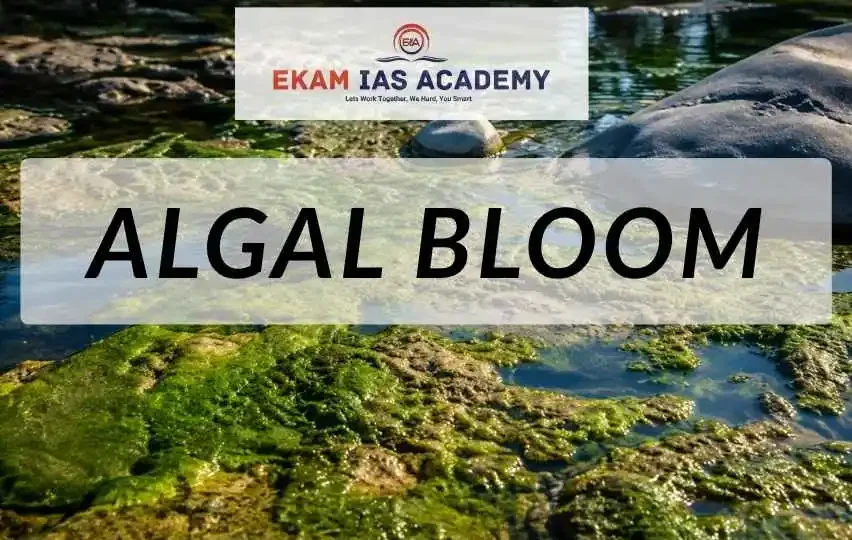
ToggleAn algal bloom refers to a rapid, uncontrolled increase in the population of microscopic algae or cyanobacteria (blue-green algae) in a freshwater or marine ecosystem. This phenomenon transforms pristine blue water bodies into thick, green, red, or brown soups, signaling severe ecological stress and destabilizing regional food webs.
The Relationship Between Eutrophication and Algal Bloom
Understanding the progression from nutrient overload to ecological collapse requires mapping the link between eutrophication and algal bloom formation:
[Agricultural & Urban Runoff]
│
▼
[Nutrient Enrichment (N & P)]
│
▼
[Eutrophication]
│
▼
[Algal Bloom Crash]
│
▼
[Bacterial Decomposition]
│
▼
[Anoxic “Dead Zones”]
Eutrophication is the process by which a water body becomes overly enriched with nutrients, primarily nitrogen and phosphorus. This nutrient enrichment acts as a trigger. The process follows a distinct chain of events:
Nutrient Loading: Runoff carrying chemical fertilizers, untreated sewage, and industrial detergents enters a lake or coastal bay.
Explosive Growth: The abundant nutrients cause an explosive population growth of surface algae, creating a dense green blanket.
The Crash and Decay: As these short-lived algae die, they sink to the bottom. Microscopic bacteria consume massive amounts of dissolved oxygen to decompose this dead organic mass.
Anoxia: The oxygen level drops sharply, creating a hypoxic or anoxic “dead zone” where fish, crabs, and other aquatic organisms suffocate and die.
Key Policy Difference: Algal Blooms vs. Eutrophication
- Eutrophication: The long-term, structural process of nutrient enrichment in an ecosystem.
- Algal Bloom: The immediate, visible symptom and biological consequence of that enrichment.
Causes and Characteristics of Algal Blooms
The primary causes of algal bloom development include a mix of human-induced and environmental factors:
- Agricultural Leaching: Over-application of chemical NPK fertilizers in farming, which rain washes into local river basins.
- Domestic Sewage: Discharging untreated urban wastewater loaded with phosphates from household laundry detergents directly into stagnant ponds.
- Stagnant Hydrodynamics: Low water flow rates in dammed rivers combined with high solar radiation provide ideal conditions for algae to multiply.
Harmful Algal Blooms (HABs) and Their Impacts
While some blooms are merely unsightly, harmful algal blooms (HABs) involve toxic species of algae, such as dinoflagellates or cyanobacteria, that release dangerous biotoxins.
A. Severe Environmental & Health Impacts
- Eco-Toxicity: HABs release dangerous neurotoxins and hepatoxins (e.g., microcystins) into the water columns, causing mass mortality among marine mammals, sea turtles, and fish.
- Impact on Human Health: Humans can develop severe neurological illness, paralytic shellfish poisoning (PSP), or acute skin rashes by drinking contaminated water or consuming toxic seafood.
- Economic Impacts: HABs cause massive financial losses by forcing closures of commercial marine fisheries, damaging coastal tourism, and driving up the costs of running urban water-treatment plants.
The Indian Context and Climate Change
The challenge of algal bloom UPSC modules track follows clear geographic patterns across India:
- Coastal Ecosystems: Runoff from major rivers into the Bay of Bengal and the Arabian Sea frequently triggers large-scale toxic red tides, disrupting traditional coastal fishing communities.
- Urban Freshwaters: Highly polluted inland water bodies, such as Bellandur Lake in Bengaluru and sections of the Yamuna River, suffer from chronic blue-green algal blooms due to high industrial and sewage loads.
The Climate Change Variable:
Global warming accelerates this crisis. Rising water temperatures create a stable layer of warm surface water, which helps toxic blue-green algae grow faster and outcompete beneficial native aquatic plants.
Prevention and Control Measures
Mitigating this water crisis requires moving away from temporary chemical treatments toward permanent, catchment-level controls:
- Nutrient Management: Practicing precision farming and planting riparian buffer strips (vegetation zones along riverbanks) to naturally filter out agricultural fertilizers before they reach the water.
- Effluent Treatment: Enforcing strict rules to ensure all urban sewage and industrial waste is fully treated to remove nitrogen and phosphorus before discharge.
- Government Initiatives in India: Utilizing legal tools like the Water (Prevention and Control of Pollution) Act alongside conservation programs like the National Plan for Conservation of Aquatic Eco-systems (NPCA) to fund wetland restoration and clean up polluted lakes.
Conclusion
Analyzing the algal bloom UPSC syllabus covers demonstrates that the health of aquatic biomes depends entirely on how we manage our land. Treating these toxic blooms as isolated crises ignores the underlying problem of unregulated nutrient pollution. By combining strict wastewater treatment with eco-friendly farming practices and wetland restoration, India can clean up its water bodies and protect both public health and marine life.
UPSC Prelims: PYQs & Practice Questions
Previous Year Questions (Prelims)
Q: Eutrophication of a water body, which can lead to an algal bloom, is primarily caused by the enhanced input of which nutrients? (UPSC CSE Prelims 2011)
1. Nitrate
2. Phosphate
3. Potassium
Select the correct answer:
A. 1 only
B. 1 and 2 only
C. 2 and 3 only
D. 1, 2 and 3
Answer: B
Explanation:
Eutrophication is the ecosystem response to the addition of artificial or natural substances, such as nitrates and phosphates, through detergents, sewage, or agricultural runoff. Potassium, while essential for plants, is generally not a limiting nutrient in aquatic ecosystems. Nitrates and phosphates are the main drivers that spark rapid algal growth, resulting in blooms.
Q: Which of the following can be the consequence/consequences of an intense Harmful Algal Bloom (HAB) in a coastal marine ecosystem? (UPSC CSE Prelims 2013)
1. Mass mortality of commercial fish populations due to oxygen depletion.
2. Accumulation of biotoxins in shellfish, leading to paralytic poisoning in humans.
3. Complete destruction of localized coral reef frameworks due to sunlight blockage.
Select the correct answer:
A. 1 only
B. 1 and 2 only
C. 2 and 3 only
D. 1, 2 and 3
Answer: D
Explanation:
All three statements are correct. When algal blooms collapse, bacterial decomposition consumes dissolved oxygen, causing hypoxia and fish deaths. Some algae produce toxins that accumulate in shellfish, causing paralytic poisoning. Thick surface blooms block sunlight, killing symbiotic algae in corals, leading to coral bleaching and reef degradation.
Practice Questions (Prelims)
Q: Consider the following statements regarding 'Red Tides', a manifestation of marine algal blooms:
1. They are exclusively caused by the explosive multiplication of freshwater cyanobacteria when temperatures cross a critical threshold.
2. They can cause water columns to change color to red, brown, or bright green, depending on the cellular pigments of the dominant phytoplanktons.
3. The International Maritime Organization (IMO) links the global spread of these blooms to the unregulated discharge of ships' ballast water.
Select the correct answer:
A. 1 and 2 only
B. 2 and 3 only
C. 1 and 3 only
D. 1, 2 and 3
Answer: B
Explanation:
Statement 1 is incorrect because red tides are marine phenomena primarily caused by dinoflagellates and diatoms, not freshwater cyanobacteria. Statement 2 is correct; blooms can color coastal waters red, brown, or green depending on the pigments of the dominant phytoplankton. Statement 3 is correct; ballast water transfer spreads non-native, toxic algal species globally, exacerbating marine ecosystem risks.
Q: In the context of inland water bodies, what occurs biologically when an algal bloom enters its "crash or decay phase"?
A. Dissolved oxygen levels spike rapidly due to increased underwater photosynthesis.
B. Aerobic decomposers multiply rapidly and exhaust the dissolved oxygen supply, creating an anoxic dead zone.
C. Water transparency increases instantly, allowing deeper benthic plants to flourish.
D. High concentrations of nitrogen are naturally locked away permanently in the lake's bedrock.
Answer: B
Explanation:
During the decay phase, algae die and sink to the bottom. Aerobic bacteria decompose this organic matter rapidly, consuming available dissolved oxygen and creating anoxic "dead zones," where aquatic life suffocates due to oxygen depletion.
UPSC Mains – Previous Year & Practice Questions
Previous Year Questions (Mains)
[15 Marks | 250 Words]
Question: Discuss the ecological and economic importance of wetlands in India. What are the major threats faced by them? (Mains 2024)
Allows analysis of how agricultural fertilizer runoff causes chronic algal blooms in natural wetlands.
[15 Marks | 250 Words]
Question: Identify the main causes of the loss of biodiversity in India. (Mains 2023)
Can discuss how toxic algal blooms wipe out localized fish populations and marine life.
[15 Marks | 250 Words]
Question: Coastal regions of India are prone to cyclones. Discuss the role of mangroves in reducing the impact of such disasters. (Mains 2019)
Connect to how pristine mangrove root systems act as natural nutrient filters, absorbing excessive nitrates before they can spark coastal blooms.
[15 Marks | 250 Words]
Question: Industrial corridors are engines of economic growth but come with heavy environmental costs. Discuss. (Mains 2015)
Evaluate how discharging untreated industrial waste and chemical detergents into local river channels drives downstream eutrophication.
[15 Marks | 250 Words]
Question: What are the reasons for the oil pollution around the world's oceans? What are its impacts on marine ecosystems? (Mains 2013)
Practice Questions
[10 Marks | 150 Words]
Question: Differentiate clearly between the process of Eutrophication and the phenomenon of Algal Blooms. Explain how this chain of events leads to the formation of marine 'Dead Zones'.
[15 Marks | 250 Words]
Question: Climate change is altering global water cycles and ocean temperatures. Analyze how rising sea surface temperatures and shifting monsoon patterns exacerbate the frequency and intensity of harmful algal blooms in India’s coastal waters.
[15 Marks | 250 Words]
Question: Relying on chemical algicides to treat toxic blooms addresses only the symptoms, not the root cause of the problem. Discuss the importance of catchment-level interventions, such as riparian buffer strips and eco-friendly farming, within the framework of India's National Plan for Conservation of Aquatic Eco-systems (NPCA).



Algal Bloom-FAQs
What is the relationship between Eutrophication and Algal Blooms?
Eutrophication is the nutrient overload of water bodies (nitrates, phosphates), often from runoff or sewage. Algal blooms are the biological manifestation of this process—a rapid explosion of surface algae fueled by excess nutrients.
Why are some blooms called Harmful Algal Blooms (HABs)?
HABs are caused by toxic phytoplankton (e.g., cyanobacteria, dinoflagellates) that release biotoxins like microcystins and saxitoxins. These toxins harm marine life, enter the food chain, and can poison humans.
How does global shipping spread toxic algal blooms?
Ships take in ballast water containing local algae at one port and discharge it at another. If the new environment has high nutrients, these non-native algae can multiply rapidly, causing HABs.
What are Riparian Buffer Strips?
Riparian buffers are vegetated zones along waterways. They trap soil and absorb excess nutrients from runoff, preventing eutrophication and algal bloom formation.
Why is Bellandur Lake a classic example?
Continuous dumping of sewage and industrial waste with high phosphates caused chronic eutrophication. Algal blooms and toxic foam overflow illustrate severe urban water mismanagement.