Table of Contents
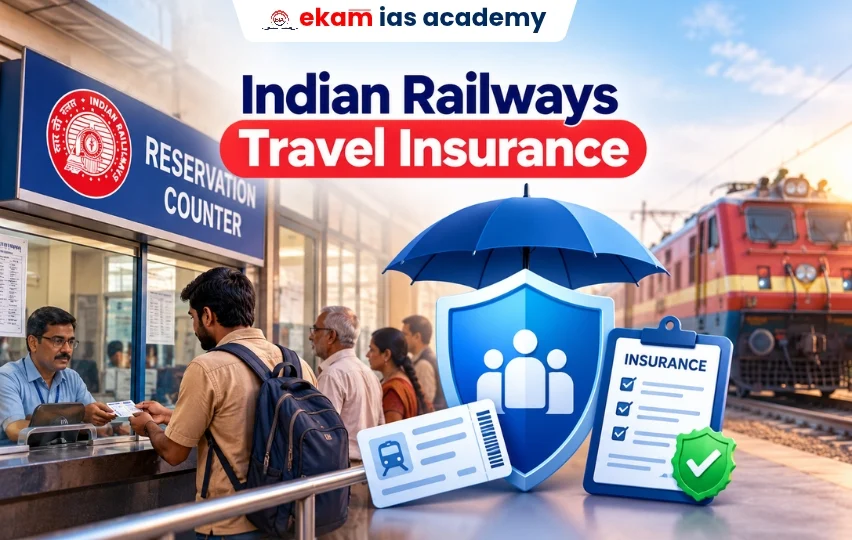
ToggleThe Supreme Court has directed the Railway Board to extend travel insurance to passengers purchasing tickets through railway reservation counters, bringing offline travellers within the insurance framework. The facility is currently optional and primarily available to passengers booking e-tickets. The Court has set October 27, 2026 as the deadline for implementation.
Why the Order Came Now
The matter emerged during proceedings related to the June 2023 Balasore train accident in Odisha, which claimed 296 lives. While considering the broader issues surrounding passenger safety, the Supreme Court highlighted the need to ensure that insurance benefits are accessible to passengers who depend on offline ticketing facilities.
The Court also stressed the importance of institutional accountability and directed the Railway Board to demonstrate meaningful progress within the prescribed timeframe.
Current State of Railway Insurance
Passengers are entitled to statutory compensation for railway accidents and certain untoward incidents under the Railways Act, 1989. Travel insurance is an additional, optional facility and is separate from the Railways’ legal compensation obligations.
At present, the insurance facility is offered to eligible passengers purchasing tickets online. Indian Railways acts as a platform connecting passengers with insurance providers, while claims are settled directly between the passenger and the insurer.
Premium and Coverage
The insurance premium is currently 45 paise per passenger, including taxes.
Depending on the nature and severity of the incident, the policy provides coverage for:
- Accidental death
- Permanent total disability
- Partial disability
- Hospitalisation arising from injuries
- Transportation of mortal remains
The insurance amount can range from ₹2 lakh to ₹10 lakh, depending on the type of loss or injury.
Who Is Currently Left Out?
The existing arrangement creates an accessibility gap for passengers who do not use online booking. More than 87% of reserved tickets are reportedly booked online, but counter-based ticketing remains important for passengers in remote areas and those with limited access to digital services.
The Supreme Court specifically highlighted the need to extend protection to passengers belonging to economically vulnerable sections who frequently purchase tickets at reservation counters.
Other Important Exclusions
The present insurance arrangement also has several limitations. General and second-class passengers are not covered under the scheme. Insurance is also unavailable for passenger and suburban trains in the specified reserved categories.
Waiting-listed passengers travelling on counter tickets are similarly outside the existing coverage framework.
Significance of the Supreme Court Order
The direction seeks to make passenger protection more inclusive and accessible, ensuring that railway safety benefits do not become dependent on digital access.
Extending insurance to counter-ticket passengers can strengthen social protection for vulnerable travellers and make the railway insurance system more equitable.
Conclusion
The Supreme Court’s intervention highlights an important challenge arising from India’s rapid shift towards digital ticketing. Extending travel insurance to offline passengers can help bridge the protection gap between digitally connected travellers and those who continue to depend on railway reservation counters. The effectiveness of the order will ultimately depend on timely and nationwide implementation by the Railway authorities.


FAQs: Indian Railways Travel Insurance
What is Indian Railways Travel Insurance?
Indian Railways Travel Insurance is an optional insurance scheme that provides financial protection to eligible passengers against accidental death, disability, hospitalisation and other specified losses during train journeys.
What has the Supreme Court directed regarding railway travel insurance?
The Supreme Court has directed the Railway Board to extend optional travel insurance to passengers purchasing tickets through railway reservation counters. The implementation deadline is October 27, 2026.
What is the premium for Indian Railways Travel Insurance?
The insurance premium is currently 45 paise per passenger, including taxes. The scheme provides coverage ranging from ₹2 lakh to ₹10 lakh, depending on the nature of the accident and resulting injury or loss.
Who is currently excluded from Indian Railways Travel Insurance?
The existing scheme primarily covers eligible online ticket bookings. Counter-ticket passengers, general and second-class unreserved passengers, and certain suburban and passenger train travellers are currently excluded.
Why is the Supreme Court's railway insurance order important for UPSC?
The order is relevant to social justice, inclusive governance, passenger safety, digital accessibility and judicial accountability. It highlights the importance of ensuring equal access to public welfare measures for digitally excluded and economically vulnerable citizens.