Table of Contents
ToggleRIGHT TO INTERNET ACCESS FOR CHILDREN: CONSTITUTIONAL FRAMEWORK AND ONLINE SAFETY
TOPIC: (GS2) POLITY: INDIAN EXPRESS
Why in News?
The Supreme Court, in Just Rights for Children Alliance v. S. Harish (2026), reportedly highlighted the importance of children’s access to the internet.
Constitutional Framework for Internet Access
Article 19(1)(a) – Freedom of Speech and Expression
- Protects the freedom to express opinions and access information through digital platforms.
- Supports children’s ability to learn, communicate and share ideas.
Article 19(1)(g) – Freedom of Profession and Trade
- Protects occupational and business activities conducted through the internet.
- Primarily relevant to the broader constitutional framework of digital rights.
Article 21 – Right to Life and Personal Liberty
- Protects human dignity, privacy and personal liberty.
- Digital accessibility is increasingly important for meaningful participation in society.
Article 21A – Right to Education
- Guarantees free and compulsory education for children aged 6–14 years.
- Digital resources can support educational access and learning outcomes.
Important Supreme Court Judgments
- Cricket Association of Bengal Case (1995): Recognised the right to receive and communicate information under Article 19(1)(a).
- Anuradha Bhasin v. Union of India (2020): Protected speech and business activities conducted through the internet and emphasised scrutiny of internet restrictions.
- Pragya Prasun v. Union of India (2025): Highlighted digital accessibility and inclusion, particularly for persons with disabilities.
- Just Rights for Children Alliance v. S. Harish (2026): As reported, emphasised balancing children’s digital opportunities with appropriate safety measures.
Major Online Risks for Children
- Cyberbullying: Online harassment can affect mental well-being.
- Harmful Content: Exposure to violence, sexual exploitation and misinformation.
- Privacy Violations: Misuse of children’s personal information.
- Excessive Screen Time: May interfere with sleep, physical activity and studies.
- Online Grooming: Offenders may manipulate children through digital platforms.
- Digital Divide: Unequal access can deepen educational and social inequalities.
Authority–Liberty Balance
- The Constitution seeks a balance between State authority and individual liberty.
- Restrictions must be lawful, necessary and proportionate.
- Blanket internet bans may restrict access to educational resources and opportunities.
- Child protection should therefore focus on targeted safeguards rather than excessive restrictions.
Existing Legal Safeguards in India
- POCSO Act, 2012: Protects children against sexual offences, including offences involving online exploitation.
- Information Technology Act, 2000: Contains provisions addressing certain forms of harmful and illegal online activity.
- Digital Personal Data Protection Act, 2023: Provides a framework for protecting children’s personal data, including special requirements for processing such data.
Way Forward
- Government: Develop child-sensitive regulations and strengthen cybercrime reporting.
- Parents: Encourage responsible internet habits and age-appropriate supervision.
- Schools: Introduce digital literacy, privacy awareness and cyber safety education.
- Digital Platforms: Improve content moderation, privacy settings and reporting mechanisms.
- Children: Promote awareness of online rights, responsibilities and potential risks.
- Inclusive Access: Improve affordable internet connectivity, especially in rural areas.
Conclusion
India must protect children from online harm without denying them the educational, social and developmental opportunities offered by safe and inclusive internet access.
BPAL PATENT REJECTION IN INDIA: BOOST FOR AFFORDABLE TUBERCULOSIS TREATMENT
TOPIC: (GS2) POLITY: THE HINDU
Why in News?
The Indian Patent Office has rejected a patent application filed by TB Alliance for the BPaL tuberculosis treatment combination.
About Tuberculosis (TB)
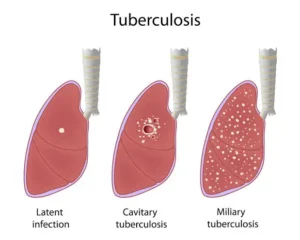
- Tuberculosis (TB) is an infectious disease caused mainly by the bacterium Mycobacterium tuberculosis, primarily affecting the lungs.
- India carries nearly one-fourth of the global TB burden, making affordable treatment a major public health priority.
- The patent rejection highlights the importance of balancing pharmaceutical innovation, intellectual property rights and public health.
What is the BPaL Regimen?
BPaL is a shorter, all-oral treatment regimen for eligible patients with drug-resistant TB.
It combines three medicines:
- B – Bedaquiline: Interferes with energy production in TB bacteria.
- Pa – Pretomanid: Acts against tuberculosis bacteria through multiple mechanisms.
- L – Linezolid: Inhibits bacterial protein synthesis.
Key Features:
- Duration: Generally six months.
- Administration: Oral medicines, avoiding routine injectable treatment.
- Benefits: Reduces treatment duration, patient discomfort and difficulties in completing therapy.
BPaLM Regimen: Adds Moxifloxacin as a fourth medicine and is recommended for eligible patients with multidrug-resistant or rifampicin-resistant TB.
Why Was the Patent Rejected?
- Pre-Grant Opposition: Two challenges were filed against the patent application in 2020.
- Patentability Concerns: The rejection raises questions about granting exclusive rights over existing drug combinations.
- Prevention of Evergreening: Discourages unjustified extensions of pharmaceutical monopolies through additional patents.
- Generic Competition: Removes the particular patent barrier to manufacturing competing BPaL combinations.
Significance of the Decision
- Affordable Treatment: Greater competition may reduce medicine prices.
- Government Savings: Lower procurement costs can help the National TB Elimination Programme (NTEP) treat more patients.
- Improved Availability: Multiple suppliers may strengthen medicine supply chains.
- Public Health Equity: Benefits vulnerable patients requiring expensive drug-resistant TB treatment.
- Pharmaceutical Industry: Encourages participation by India’s generic medicine manufacturers.
Challenges and Limitations
- No Automatic Price Reduction: Savings depend on competition and procurement practices.
- Regulatory Approval: Patent rejection does not replace approval by the Central Drugs Standard Control Organisation (CDSCO).
- Quality Assurance: Generic medicines must meet prescribed safety and quality standards.
- Indirect Patient Costs: Travel, nutrition, diagnostic tests and income loss remain financial burdens.
- Treatment Monitoring: Drug resistance, adverse effects and treatment adherence require continued attention.
Government Initiatives Against TB
- National TB Elimination Programme (NTEP): Provides free TB diagnosis and treatment through public health services.
- Ni-kshay Portal: Supports patient registration, monitoring and treatment follow-up.
- Ni-kshay Poshan Yojana: Provides nutritional assistance to eligible TB patients.
- Pradhan Mantri TB Mukt Bharat Abhiyaan: Encourages community support for TB patients.
Way Forward
- Encourage quality-assured generic manufacturing and competitive procurement.
- Ensure uninterrupted medicine availability across public health facilities.
- Strengthen drug-susceptibility testing and early diagnosis.
- Expand nutritional assistance and patient-centred care.
- Maintain strict regulatory oversight and pharmacovigilance.
- Promote research and innovation while preventing unjustified patent monopolies.
Conclusion
The BPaL patent rejection can strengthen affordable TB treatment in India through generic competition, provided it is supported by quality medicines, effective procurement and equitable healthcare access.
NEW VISA REQUIREMENT FOR SIX MINORITY COMMUNITIES
TOPIC: (GS2) POLITY: INDIAN EXPRESS
Why in News?
The Ministry of Home Affairs (MHA) has amended the Immigration and Foreigners (Exemption) Order, 2025.
Key Features of the Amendment
- Eligible Communities: Hindus, Sikhs, Buddhists, Jains, Parsis and Christians.
- Countries Covered: Afghanistan, Bangladesh and Pakistan.
- Entry Cut-off: On or before 31 December 2024.
- Visa Requirement: An appropriate visa is necessary for continued residence.
- Expired Documents: The requirement also covers eligible migrants whose travel documents have expired.
- Entry Exemption: The existing relaxation concerning entry without valid passports or visas remains.
Difference Between Immigration Exemption and CAA
Provision | Cut-off Date |
Immigration Exemption Rules | 31 December 2024 |
Citizenship Amendment Act, 2019 | 31 December 2014 |
- The Citizenship Amendment Act (CAA), 2019 provides a special citizenship pathway for specified communities from the three countries.
- The amended immigration rules do not extend the CAA citizenship cut-off to 2024.
- A visa or immigration exemption does not automatically grant Indian citizenship.
Other Important Changes
- Nepal and Bhutan: Travellers must produce identity documents prescribed under the Visa Manual.
- Third-Country Travel: Indian citizens travelling onward through Nepal or Bhutan must carry passports.
- Tibetan Refugees: Specified categories retain exemptions, subject to registration requirements.
- Other Migrants: Certain long-term residents facing passport-renewal difficulties receive conditional relief.
Significance
- Legal Clarity: Distinguishes entry exemptions from residence requirements.
- Immigration Management: Supports documentation and administrative monitoring.
- Humanitarian Protection: Retains limited relief for eligible migrants.
- National Security: Helps authorities maintain immigration records.
Concerns and Way Forward
- Documentation Difficulties: Vulnerable migrants may struggle to obtain visas.
- Administrative Delays: Processing requirements may create uncertainty.
- Rights Protection: Procedures should remain transparent and accessible.
- Better Coordination: Strengthen immigration assistance, verification and grievance redressal.
Conclusion
India must balance effective immigration regulation with humanitarian protection, legal clarity and fair treatment of vulnerable migrants.
SEWER CLEANING DEATHS IN INDIA
TOPIC: (GS2) POLITY: THE HINDU
Why in News?
Continuing sewer and septic tank cleaning deaths have raised serious concerns about occupational safety and the dignity of sanitation workers in India.
Causes of Sewer Cleaning Deaths
- Toxic Gases: Exposure to hydrogen sulphide, methane and oxygen-deficient environments.
- Lack of Safety Equipment: Inadequate protective gear and breathing apparatus.
- Poor Mechanisation: Continued dependence on manual cleaning.
- Weak Enforcement: Insufficient inspections and accountability.
- Social Inequality: Marginalised communities disproportionately undertake hazardous sanitation work.
Constitutional and Legal Framework
- Article 14: Equality before the law.
- Article 17: Abolition of untouchability.
- Article 21: Right to life and dignity.
- Article 23: Prohibition of forced labour.
- 2013 Manual Scavenging Act: Prohibits manual scavenging and hazardous cleaning of sewers and septic tanks.
Government Initiatives
- NAMASTE Scheme: Promotes mechanised sanitation and worker safety.
- Swachh Bharat Mission–Urban 2.0: Strengthens scientific sanitation and waste management.
- Supreme Court Directions (2023): Mandated ₹30 lakh compensation for deaths during sewer cleaning.
Major Challenges
- Contractual Employment: Informal workers often lack insurance and social protection.
- Inadequate Training: Limited awareness of confined-space hazards.
- Underreporting: Accidents may not receive proper investigation.
- Financial Constraints: Municipalities struggle to procure modern cleaning equipment.
Way Forward
- Ensure 100% mechanised sewer cleaning wherever technically feasible.
- Provide certified training, protective equipment and emergency rescue systems.
- Fix responsibility on contractors and municipal authorities.
- Guarantee timely compensation, rehabilitation and alternative livelihoods.
- Conduct regular safety audits and maintain transparent accident records.
Conclusion
Preventing sewer cleaning deaths requires strict accountability, mechanisation and a rights-based approach that protects every sanitation worker’s life and dignity.
NEIL GEHRELS SWIFT OBSERVATORY
TOPIC: (GS3) SCIENCE AND TECHNOLOGY: INDIAN EXPRESS
Why in News?
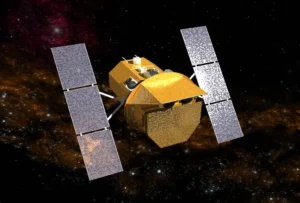
NASA’s Neil Gehrels Swift Observatory reportedly re-entered Earth’s atmosphere over Indonesia on November 4, 2026, after 22 years in orbit. The observatory made significant contributions to understanding gamma-ray bursts (GRBs) and other high-energy cosmic events.
Major Objectives
- Identify the origin and evolution of gamma-ray bursts.
- Classify different types of GRBs.
- Study the early universe using distant cosmic explosions.
- Conduct observations of high-energy X-ray sources.
Scientific Instruments
1. Burst Alert Telescope (BAT)
- Detects gamma-ray bursts across a wide field of view.
- Determines their approximate location for follow-up observations.
2. X-ray Telescope (XRT)
- Studies X-ray afterglows following gamma-ray bursts.
- Helps determine precise positions and monitor their evolution.
3. Ultraviolet/Optical Telescope (UVOT)
- Observes afterglows in ultraviolet and visible light.
- Provides information about their brightness and spectral characteristics.
Major Achievements
- Studied numerous gamma-ray bursts and supernova explosions.
- Observed black holes disrupting stars, X-ray flares, asteroids and comets.
- Contributed to approximately 7,000 scientific publications.
- Improved understanding of extreme cosmic events.
INS BRAHMAPUTRA
TOPIC: (GS3) SECURITY: PIB
Why in News?
The Indian Navy has reportedly initiated court-martial proceedings against two officers concerning the July 2024 accident involving INS Brahmaputra.
About INS Brahmaputra
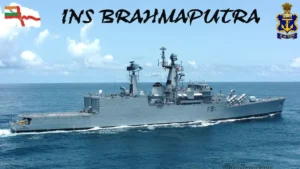
- INS Brahmaputra (F31) is an indigenously built Brahmaputra-class guided-missile frigate of the Indian Navy.
- It represents India’s efforts towards self-reliance in defence shipbuilding.
Important Features
- Builder: Garden Reach Shipbuilders and Engineers (GRSE), Kolkata.
- Commissioned: 14 April 2000.
- Displacement: Approximately 5,300 tonnes.
- Length: Around 125 metres.
- Maximum Speed: More than 27 knots.
- Propulsion: Two steam turbines.
Weapons and Capabilities
- Equipped with surface-to-surface and surface-to-air missiles.
- Carries naval guns, anti-aircraft weapons and torpedo launchers.
- Uses advanced sensors for maritime surveillance and combat.
- Capable of operating Sea King and Chetak helicopters.
Operational Roles
- Maritime Security: Protecting India’s coastal and offshore interests.
- Sea-Lane Protection: Monitoring important shipping routes.
- Anti-Piracy Operations: Countering maritime threats.
- Naval Diplomacy: Supporting international maritime cooperation.
- Defence Preparedness: Conducting surveillance and combat operations.
Significance and Challenges
- Promotes indigenous warship construction and defence capability.
- Strengthens India’s maritime security architecture.
- The 2024 accident highlights the importance of fire safety, maintenance standards and operational accountability.
- Regular inspections and emergency-response training are essential.