
Daily Current Affairs 25-July-2025

Share this Post

DECODING ECI’S COUNTER AFFIDAVIT ON SPECIAL INTENSIVE REVISION (SIR), BIHAR

TOPIC: (GS2) INDIAN POLITY: INDIAN EXPRESS

The Election Commission of India (ECI) has filed a counter affidavit in the Supreme Court justifying the Special Intensive Revision (SIR) of electoral rolls in Bihar. The exercise has raised concerns over legality, transparency, and the risk of mass voter exclusion.

Background of the Issue

  • The SIR exercise in Bihar aims to verify citizenship of registered voters through fresh document collection.
  • ECI argues this is necessary to clean voter rolls and ensure only Indian citizens remain listed.
  • However, critics say it is not based on verified complaints or legal necessity.

Key Arguments in ECI’s Affidavit

  • Legal Authority: ECI cites Article 326 and Section 15 of the Representation of the People Act, 1950 to justify the SIR process.
  • Citizenship Test: Voters must provide documents like passports, birth certificates, and sometimes parents’ documents to prove citizenship.
  • 2003 Rolls Preferred: Voters from the 2003 electoral rolls, and their children, are being given special exemption — seen as arbitrary by critics.

Concerns Raised Over Legality

  • The term “intensive revision” is not clearly defined in the law; legal basis is weak.
  • Asking already verified voters to re-submit proof reverses the burden of proof without evidence of fraud.
  • The process lacks data on illegal migrants, which the affidavit fails to justify.

Logistical and Practical Challenges

  • 90% enumeration form coverage was done, but many without valid documents.
  • Over 53 lakh voters were marked missing, migrated, or deceased without full verification.
  • Data inconsistency is a concern—residence certificates exceed Bihar’s total population.

Why Exclude Aadhaar and Ration Cards?

  • ECI claims Aadhaar isn’t proof of citizenship and ration cards are prone to fraud.
  • Critics argue these are widely held documents and useful in absence of better records.
  • ECI itself collects Aadhaar voluntarily, causing contradiction.

Conclusion

The SIR process lacks legal clarity, overburdens voters, and may result in wrongful deletions. Unless revised, it risks becoming another flawed exercise like the NRC in Assam, raising serious concerns over voter rights and democratic integrity.

INDIA–SOUTH AFRICA MARITIME PARTNERSHIP

TOPIC: (GS2) INTERNATIONAL RELATIONS: INDIAN EXPRESS

India and South Africa recently signed two agreements on submarine cooperation during the 9th Joint Defence Committee meeting in Johannesburg, pointing toward deeper maritime collaboration between the two Indian Ocean nations.

Importance of India–South Africa Maritime Ties

Strategic Naval Partnership

  • Helps India strengthen its blue-water navy and extend reach from the Indian Ocean to the Atlantic.
  • South Africa’s location is key for sea-lane security, trade routes, and anti-piracy efforts.

Submarine and Defence Cooperation

  • The agreements may involve joint training, rescue missions, surveillance, and R&D.
  • Supports India’s defence export goals and aligns with South Africa’s naval modernisation needs.

INDIA–SOUTH AFRICA MARITIME PARTNERSHIP

India–South Africa Relations

Historical Ties

  • India stood firmly against apartheid and cut ties with South Africa as early as 1946.
  • Diplomatic relations were formally re-established in 1993.
  • The Red Fort Declaration (1997) laid the foundation for a Strategic Partnership.

Defence and Maritime Linkages

  • Joint exercises like IBSAMAR (India-Brazil-South Africa) and MILAN deepen military understanding.
  • South Africa also joins India’s India-Africa Defence Dialogue and has officers at IFC-IOR (Information Fusion Centre–Indian Ocean Region).

Political and Trade Engagement

  • Strong cooperation in BRICS, G20, IBSA platforms.
  • Bilateral trade hit $19.25 billion in 2023–24.
  • India exports cars, medicines, and rice; imports gold, coal, and minerals.

Cultural and Educational Ties

  • 1.7 million people of Indian origin live in South Africa.
  • The Gandhi-Mandela Centre in Pretoria trains artisans.
  • India offers ITEC training to South African professionals.

Challenges in the Partnership

  • South Africa’s domestic issues like political instability and economic recovery may limit focus on maritime cooperation.
  • India’s vision of the Indian Ocean as a strategic priority differs from South Africa’s more Africa-centered foreign policy.

Way Forward

  • The submarine pacts could lead to long-term naval collaboration if South Africa overcomes internal challenges.
  • India must focus on turning diplomatic initiatives into real defence outcomes, not just symbolic gestures.

Conclusion

The agreements open new doors in India–South Africa defence ties. Sustained political effort and strategic alignment will be crucial for transforming intent into impactful maritime cooperation.

MENTAL HEALTH OF PILOTS

TOPIC: (GS2) INDIAN POLITY: THE HINDU

The recent Air India crash and growing mental strain among pilots have highlighted the need for stronger support systems for aviation professionals. Concerns are rising over pilots avoiding mental health treatment due to fear of losing their jobs or flying licences.

Why the Issue Matters

  • Despite better awareness post-COVID, pilots often avoid reporting mental stress like anxiety or burnout.
  • Fear of being declared medically unfit or grounded is a major reason.
  • Recent events, including a crash and emotional trauma among colleagues, underline the urgency for reforms.

Challenges Faced by Pilots

  • Unpredictable Schedules: Last-minute roster changes, night flying, and time-zone shifts disrupt sleep and personal life.
  • Work-Life Imbalance: Strained family ties and missed personal events are common, contributing to emotional fatigue.
  • Stigma and Fear: Seeking therapy could result in suspension or delay in re-approval to fly, discouraging pilots from asking for help.
  • Regulatory Gaps: Medical assessments lack clarity on how mental health concerns are evaluated or acted upon.

What Deterrents Exist

  • A 2022 U.S. study showed over 56% pilots avoid healthcare fearing loss of certification. Indian pilots face similar issues.
  • Mental health checks by DGCA lack clear protocols, leaving both doctors and pilots confused.
  • Reports of lengthy groundings due to misdiagnosis also add to hesitation.

Recent Initiatives

  • DGCA Circular (2023): Mandates non-punitive peer-support programs and use of a 29-point mental health checklist.
  • Peer Support Programs: Airlines like Air India now provide counseling support post-trauma.
  • Global Best Practices: Europe has introduced medical databases and surprise health checks.
  • The U.S. FAA permits many mental health conditions during flying, if treated, and keeps a list of safe medications.

Conclusion

There is an urgent need to destigmatize mental health issues in aviation and create systems that support rather than penalize. Confidential, transparent, and supportive policies can help pilots seek timely help, ensuring both personal well-being and public safety.

NEED FOR COMPLETE MECHANISATION OF SEPTIC TANK CLEANING

TOPIC: (GS2) INDIAN POLITY: THE HINDU

A social audit presented in Parliament has revealed serious flaws in the implementation of mechanised sanitation efforts. Despite legal safeguards and schemes like NAMASTE, hazardous manual cleaning still continues widely across India.

Issues Highlighted by the Audit

  • Out of 54 deaths studied, only 5 workers were on government payroll; 38 were hired by local contractors, and others were unofficially deputed from public agencies, creating confusion over accountability.
  • Despite laws like the Prohibition of Employment as Manual Scavengers Act (2013) and Supreme Court rulings, manual cleaning is still common.

Gaps in Implementation of Mechanised Cleaning

  • The NAMASTE Scheme (2023) promotes robotic cleaning but remains underfunded — only ₹14 crore released, insufficient for even one big city.
  • PPE kits were given to only 16,791 workers, although over 57,000 are engaged in risky sanitation work.
  • Safety training is rare: only 837 workshops were conducted across 4,800 urban local bodies.

Positive Developments

  • Odisha has supplied workers with PPE and machines.
  • Tamil Nadu deployed sewer robots in Chennai to clean 5,000+ manholes.
  • These show that technology and political will can improve safety.

Enforcement & Social Equity Issues

  • Local governments often invite manual tenders despite the availability of machines.
  • After accidents, lower-level staff are blamed, while contractors face no legal consequences.
  • Dalits form two-thirds of sanitation workers, yet rehabilitation packages rarely offer housing or educational support.
  • Women sanitation workers, especially in dry latrine cleaning, are often neglected in policy.

Conclusion and Way Forward

Urban bodies must make mechanised cleaning mandatory and license all operators. Workers should get loans and service contracts to manage machines. The Swachh Bharat rural budget must also cover septic tank cleaning, and NAMASTE profiling should extend to rural areas.

GST BURDEN ON INDIAN HOUSEHOLDS

TOPIC: (GS3) ECONOMY: THE HINDU

A new study based on the 2022–23 Household Consumption Expenditure Survey (HCES) raising concerns about fairness and equity in India’s tax structure.

Key Findings from the Study

Based on: Household consumption data (2022–23 HCES)

  • In Rural Areas:
    • Bottom 50% pay 31% of total GST
    • Middle 30% also pay 31%
    • Top 20% bear 37% of GST
  • In Urban Areas:
    • Bottom 50% contribute 29%
    • Middle 30% contribute 30%
    • Top 20% contribute 41%

These findings differ from Oxfam’s 2023 report, which claimed that the bottom 50% paid nearly two-thirds of GST while the top 10% paid only 3–4%.

How GST Is Supposed to Work

  • Nature: GST is a consumption-based tax levied on goods and services.
  • Purpose: Designed to be simple, uniform, and neutral.
  • Exemptions: Basic items (like unbranded grains, fruits, veggies) are zero-rated or taxed at lower slabs.
  • Higher Rates: Luxury and sin goods face higher GST (18%–28%).
  • However, despite its structure, the GST system appears to be only mildly progressive and does not significantly reduce income inequality.

Why the Poor Bear a Heavy GST Burden

  • High Share of Spending on Taxed Goods: Poor households spend more on items that attract GST, despite some exemptions.
  • Limited Tax Progressivity: Though rich consume more expensive goods, their proportion of GST paid doesn’t rise steeply.
  • GST is Indirect: It is based on consumption, not income, so even the poor pay taxes while spending on daily needs.

Implications of the Study

  • Equity Concerns: GST is not strongly redistributive.
  • Risk of Regressivity: Poorer groups may end up spending a bigger part of their income on GST.
  • Need for Social Interventions: Higher GST burden on the poor may call for increased welfare schemes or targeted subsidies.

Way Forward & Reforms

  • Make GST More Progressive: Lower rates on essential goods/services used by lower-income groups.
  • Update Exemption List: Regularly revise tax-free or low-tax items based on latest consumption trends.
  • Track Impact: Conduct periodic assessments to understand GST’s real effect on income groups.

WHAT IS GST?

  • Definition: A single indirect tax that replaced multiple earlier taxes like VAT, excise, and service tax.
  • Rate Structure: 0%, 5%, 12%, 18%, 28% (plus cess on luxury/sin goods).
  • Exclusions: Items like petrol, alcohol, and electricity are still outside GST.
  • Input Tax Credit (ITC): Businesses can claim credit for taxes paid on inputs to avoid double taxation.
  • GST Council: A body of Centre and State representatives that decides GST rules and rates.

Conclusion

The study shows that while GST was meant to be a fair tax, its real-world application puts a similar load on the poor and middle class. Reform is needed to ensure it truly supports economic justice.

SHOULD INDIA RELAX ITS ADOPTION PROCEDURES?

TOPIC: (GS2) INDIAN POLITY: THE HINDU

The Supreme Court has directed the Central Adoption Resource Authority (CARA) to improve and speed up adoption procedures. This follows concerns over long waiting periods despite a high number of parents seeking to adopt and a shortage of legally adoptable children.

Mismatch in Demand and Availability

  • For every one child legally available for adoption, there are around 13 prospective parents waiting.
  • Most families prefer infants in good health, while older children and those with special needs are often overlooked.
  • The delays are not due to complex procedures, but due to low numbers of children declared legally free for adoption.

Why Are Many Children Not in the Adoption Pool?

  • Only children in registered adoption agencies are evaluated for adoption.
  • Thousands of children live in child care institutions or shelters but are not assessed for adoptability.
  • Issues include lack of data, poor coordination, and low awareness among shelter staff and officials.

Why Strict Procedures Should Remain

  • Checks and verification steps help prevent child trafficking and improper placements.
  • Globally, illegal adoptions have led to serious legal and ethical violations.
  • The focus should be child-centric, not demand-driven — ensuring the child’s safety and well-being is the priority.

Challenges in Adopting Older or Special Needs Children

  • Many such children are placed through the immediate placement list, but parents often lack preparation or training.
  • Without proper support, children may be returned, causing trauma.
  • Experts call for mandatory training and counseling for adoptive parents, especially for complex adoptions.

Conclusion

India must strengthen its adoption system by expanding the legal adoption pool, ensuring rigorous safeguards, and improving parental readiness. Instead of relaxing norms, reforms should focus on speed with sensitivity, keeping the child’s interest at the core.

JUDICIAL ACCOUNTABILITY AND THE IN-HOUSE INQUIRY MECHANISM

TOPIC: (GS2) INDIAN POLITY: THE HINDU

The Chief Justice of India has agreed to form a Bench to examine a plea by Justice Yashwant Varma of the Allahabad High Court, who is questioning the legality of the in-house inquiry mechanism used against him. The case has raised important issues about judicial accountability, fairness, and separation of powers.

Background

  • In March 2025, unaccounted cash was allegedly found at Justice Varma’s home.
  • An in-house inquiry was conducted, and the committee suggested his removal without giving him a personal hearing.
  • After his refusal to resign, a motion to remove him was submitted in Parliament.
  • This case has opened a debate about judicial independence and internal oversight mechanisms.

What is the In-House Inquiry Mechanism?

  • Introduced in 1999 by the Supreme Court to deal with complaints against judges outside the formal impeachment process.
  • Complaint Submission: Complaints can be filed with the Chief Justice of India (CJI), the High Court Chief Justice, or the President.
  • Initial Review: The High Court Chief Justice seeks a reply from the judge and forwards it to the CJI.
  • Inquiry Committee: If needed, the CJI sets up a panel of 2 Chief Justices and 1 High Court judge to investigate.
  • Next Steps:
    • If the judge is found guilty, the CJI may ask for resignation.
    • If the judge refuses, the report is sent to the President and PM for impeachment.

Key Constitutional and Legal Concerns

  • No Legal Backing: The in-house mechanism has no mention in the Constitution or law, raising questions under Articles 124(4) and 218.
  • Violation of Natural Justice: Justice Varma argues he was not given a fair hearing or access to evidence—violating Articles 14 and 21.
  • Separation of Powers: Critics say only Parliament has the authority to remove judges, not the judiciary itself.

Way Forward

  • Clear Legal Framework Needed: The process must be legally defined, like the Judges (Inquiry) Act, 1968.
  • Ensure Fairness and Transparency: Any internal inquiry must protect the judge’s right to a fair trial.
  • Balance is Key: Judicial independence must be protected, but accountability and due process cannot be ignored.

Conclusion

The case reflects the urgent need for a structured, fair, and transparent way to handle judicial misconduct without compromising judicial independence or the rule of law.

PAIKA REBELLION

TOPIC: (GS1) HISTORY: THE HINDU

Former Odisha Chief Minister Naveen Patnaik expressed disappointment over the exclusion of the 1817 Paika Rebellion from the newly revised NCERT Class 8 history textbook. NCERT clarified that the topic will be covered in the second volume.
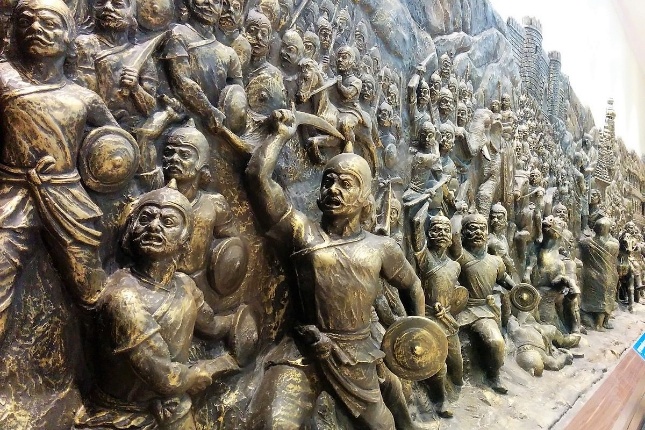
PAIKA REBELLION

About the Paikas

  • The Paikas were traditional foot soldiers of Odisha, recruited during the Gajapati rule (16th century).
  • In return for military service, they were granted tax-free land known as nish-kar jagirs, which they farmed in times of peace.

Background of the Rebellion

  • In 1803, the British took control of Odisha after a peaceful march led by Colonel Harcourt.
  • Although an agreement was made with King Mukund Dev II, the British only partially fulfilled their promises.
  • British land revenue reforms, currency changes, and control over salt trade led to major hardships for locals, especially the Paikas who lost their lands.

The 1817 Uprising

  • The Paika Rebellion was led by Bakshi Jagabandhu, the military chief of the Khurda king.
  • The rebellion saw participation from Kondh tribal groups.
  • Rebels attacked British offices, officials, and government buildings in a strong act of resistance.

Suppression and Outcome

  • The British brutally suppressed the revolt.
  • Jagabandhu surrendered in 1825, after years of resistance.
  • Although the rebellion failed, it sparked future uprisings and is a symbol of Odia nationalism.

Modern-Day Recognition

  • 2017: PM Modi honoured over 200 descendants of Paika fighters.
  • 2019: President Kovind laid the foundation stone for a Paika Memorial at Barunei.
  • 2023: Odisha’s CM announced the establishment of Paika Academy and Memorial in Khurda.

Conclusion

The Paika Rebellion remains a powerful reminder of early Indian resistance against British rule. Its exclusion from textbooks has reignited debate about inclusive representation in history education.


Write a Review

Your email address will not be published. Required fields are marked *